How to Choose the Right Flowers and Plants for Your Living Space
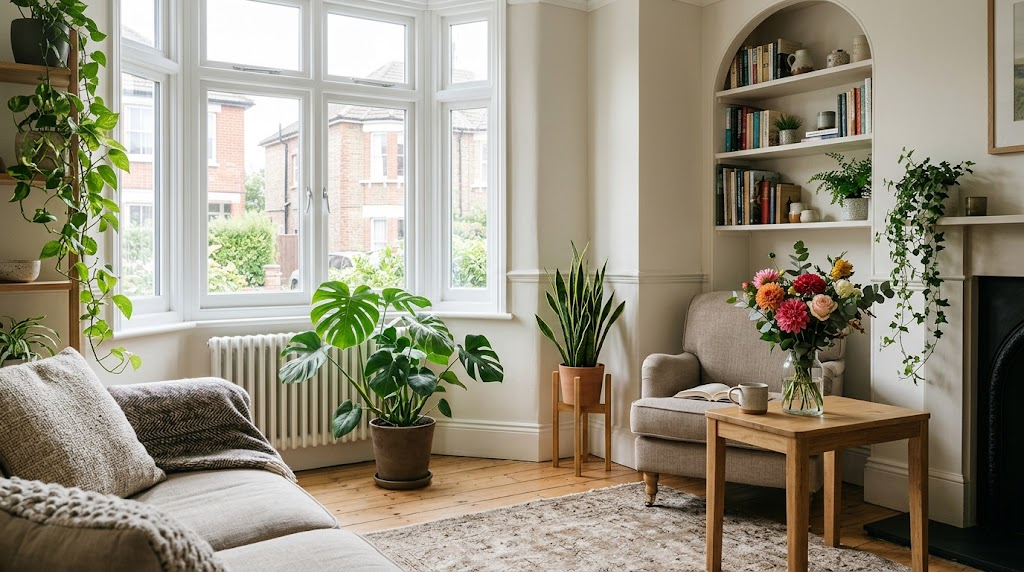
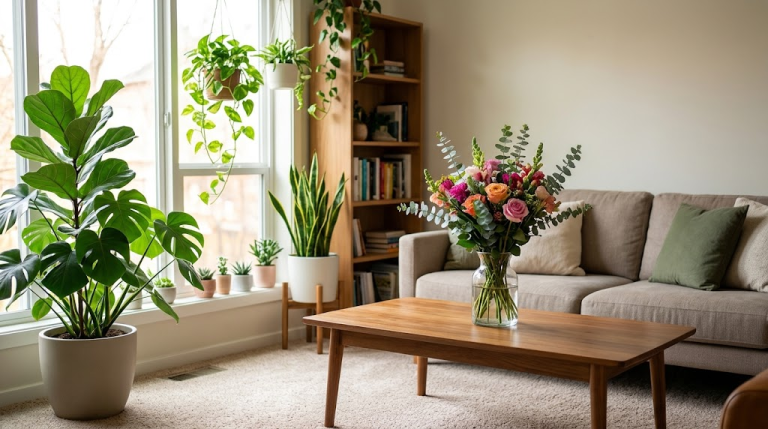
Flowers and plants can change the feel of a room without a major redesign. A small vase of fresh flowers can add colour to a dining table, while a well-chosen indoor plant can bring shape and greenery to an empty corner. But the best choice is not always the plant or bouquet that looks most attractive in a shop. It is the one that suits your room, light, routine and household.
Before buying, think about where the flowers or plant will go and what you want them to do. Do you want a lasting green feature, a seasonal splash of colour, or a simple arrangement for guests? This guide explains how to choose options that look right and are practical to care for.
Start with the room, not the plant
Every room has different conditions. Light, temperature, humidity, airflow and available space can affect how well a plant grows and how long a flower display lasts. A sunny windowsill may suit one plant but be too hot for another. A bathroom may be more humid than a living room, while a hallway can be cooler and darker.
Spend a day noticing the conditions in the place where you want to put your plant. Check whether direct sunlight reaches it, whether it sits close to a radiator, and whether doors or windows create cold draughts. Also consider whether people regularly walk past it or whether pets and children can reach it.
The simplest rule is to choose for the conditions you have, rather than trying to change the room to suit a plant. If a spot receives little natural light, do not buy a plant that needs strong sun and expect regular watering to make up the difference.
Choose plants according to natural light
Light is one of the main factors in indoor plant health. Plant labels often use terms such as full sun, bright indirect light and shade. These descriptions are useful, but it helps to understand what they mean in a real home.
Bright, direct light: Sunlight falls straight onto the plant for part of the day. Some succulents and other sun-loving plants may suit these positions, although strong summer sun through glass can scorch sensitive leaves.
Bright, indirect light: The room is bright, but the sun does not shine directly on the plant for long. Many common foliage plants prefer this type of position.
Lower light: The spot is away from windows or receives limited daylight. Some plants tolerate lower light, but very dark corners are unsuitable for most living plants. Growth may slow and leaves may become weak.
Light changes with the season. A windowsill that is bright in summer may receive much less light in winter. Check the plant’s requirements and move it if needed, rather than assuming one position will work all year.
Quick answer: Which indoor plants are suitable for a low-light room? Some plants, including snake plants and certain pothos varieties, can tolerate lower-light conditions better than many others. However, tolerance does not mean they can grow in complete darkness. Choose a position with some natural daylight and check the specific plant’s care guidance.
Match the plant to the room
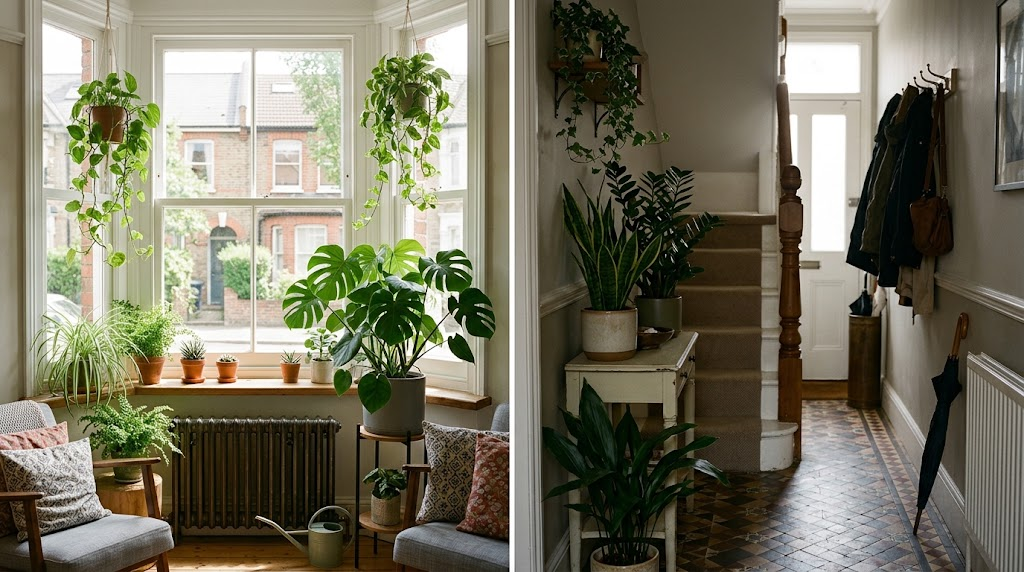
A plant can look attractive in almost any room, but some spaces are more suitable than others. Use the room’s conditions as a starting point.
Living room
Living rooms often offer more space and a mix of light levels. A larger foliage plant can fill an empty corner, while smaller plants can sit on shelves or side tables. Choose a plant that will not block walkways or be knocked over. Keep it away from radiators and strong draughts.
Bedroom
For a bedroom, consider the amount of daylight, available surface space and how much care you want to provide. Compact foliage plants can work well on a shelf or dresser. Avoid placing plants where they make it difficult to open windows, clean surfaces or move around the bed. Do not assume a plant will improve air quality in a meaningful way; choose it mainly for appearance and enjoyment.
Bathroom
Bathrooms can be humid, which may suit some tropical plants. However, many bathrooms have limited natural light, and a humid room is not automatically a good growing environment. Choose a plant that can cope with the actual light level as well as humidity. If the room has no window, a living plant may struggle without suitable grow lighting.
Kitchen and dining area
A small plant or fresh flower arrangement can work well on a kitchen counter or dining table. Keep displays away from cooking heat, splashes of cleaning products and food-preparation areas. Choose a stable vase or pot, and leave enough clear space for everyday use.
Hallway
Hallways can be cooler, darker and more exposed to draughts than other rooms. Choose only plants that tolerate the available light and temperature. If the space is very dark, a realistic artificial plant or a rotating display of fresh cut flowers may be more practical than a struggling houseplant.
Choose fresh flowers for colour, scent and purpose
Cut flowers are different from houseplants. They provide a temporary display rather than a long-term growing feature. When choosing a bouquet, think about the room’s size, colour scheme, fragrance and how the space is used.
For a dining table, a low arrangement is often more practical because people can see across the table. In a hallway or on a sideboard, a taller arrangement may create a stronger focal point if it is safely positioned. For a small room, a compact vase can add colour without making the surface feel crowded.
Colour can help connect flowers with the rest of the room. Soft white, cream and pale pink tones can create a calm look, while brighter yellows, oranges and reds can make a display stand out. You do not need to match every flower to the cushions or curtains. Choosing one or two colours already present in the room is usually enough.
Fragrance also matters. Strongly scented flowers may not suit a dining table, a small room or a household where someone is sensitive to perfume. If scent is a concern, choose a less fragrant arrangement and keep flowers away from food preparation.
Think about the vase before choosing the flowers. A narrow-necked vase may hold a few stems neatly, while a wider vase needs a fuller arrangement or suitable support. The vase should be clean, stable and large enough to hold the stems without crowding them.
Decide how much maintenance you can manage
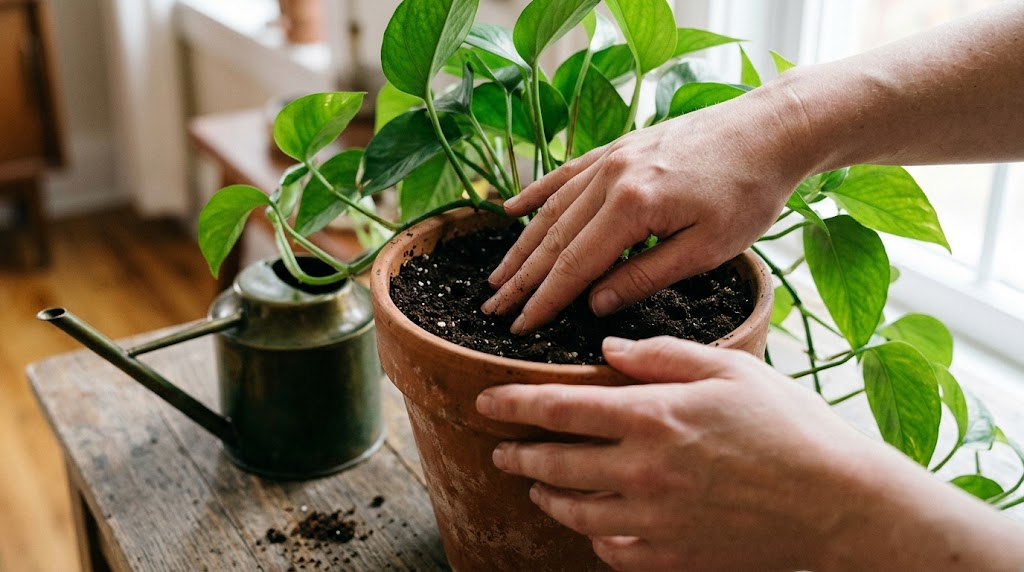
A beautiful plant is only a good choice if you can meet its basic needs. Some indoor plants need frequent checks, while others cope with a more relaxed routine. Be realistic about how often you are at home and whether you remember regular watering.
Before buying, check the plant label for light, water, humidity, temperature and feeding requirements. Look for healthy leaves and stems, and avoid plants that are badly wilted, have widespread discolouration or show signs of pests. A plant with some unopened flower buds may provide a longer display than one with every flower already open.
For cut flowers, follow the care instructions supplied with the bouquet. In general, use a clean vase, fresh water and flower food if provided. Remove leaves that would sit below the waterline and trim stems as advised. Keep the arrangement away from direct heat, strong sunlight and ripening fruit, which can shorten the display life of some flowers.
Quick answer: How often should indoor plants be watered? There is no single schedule for every plant. Check the compost and water according to the plant’s needs. Some prefer the top layer to dry between waterings, while others need more consistent moisture. Overwatering is a common problem, so do not add water automatically just because it is a certain day of the week.
Think about pets and children
If pets or young children live in your home, plant safety should be part of the decision. Some common houseplants and cut flowers can be harmful if chewed or swallowed. A plant described as easy-care is not necessarily safe for pets.
Check the exact plant species before bringing it home. Do not rely on a broad common name, because plants with similar names can have different safety profiles. Keep potentially harmful plants out of reach, remember that cats can climb and jump, and remove fallen leaves or petals. If you are unsure, choose a verified pet-safe option or ask a vet or a recognised poison-information service for guidance.
Also consider allergies and sensitivities. Strong fragrance and pollen may be uncomfortable for some people. A lower-scent arrangement or foliage plant may be a better choice for shared spaces.
Make the display fit your interior
The right plant or flowers should complement the room rather than compete with everything else in it. Look at the height, shape and colour of the furniture around the display. A tall plant can balance a large empty corner, while a small arrangement can soften a desk or bedside table.
Use pots and vases that suit the style of the room, but do not choose a container only for its appearance. It must be stable and practical. For living plants, the container needs suitable drainage or an appropriate inner pot arrangement so roots are not left sitting in excess water.
Grouping a few plants can create a stronger display than spreading many small pots around the room. Vary their heights and leaf shapes, but leave enough space for air to move and for each plant to receive suitable light. Do not crowd plants together simply to fill a shelf.
Common mistakes to avoid
Buying before checking the light: A plant may look perfect but struggle in the position you have chosen.
Watering every plant in the same way: Different species and pot sizes have different needs.
Putting plants beside radiators: Direct heat and dry air can damage many houseplants.
Choosing a display that is too large: Oversized arrangements can block views, walkways or useful surfaces.
Ignoring pet safety: Always check the exact plant before bringing it into a home with animals.
Expecting cut flowers to last indefinitely: Fresh flowers are temporary displays; follow care advice to help them last as long as possible.
Frequently asked questions
What are the easiest indoor plants for beginners?
Snake plants, some pothos varieties and certain succulents are often considered manageable choices. Their needs still differ, so check the light and watering requirements of the exact variety before buying.
Which flowers are best for a living room?
The best choice depends on the room’s colours, size and fragrance preferences. A compact seasonal bouquet can suit a coffee table, while a taller arrangement may work on a sideboard. Choose a stable vase and avoid blocking walkways.
Can I keep flowering plants indoors all year?
Some flowering houseplants can bloom indoors at different times of the year, but flowering depends on the plant variety and its growing conditions. Many seasonal flowering plants are sold in bloom for a limited period.
Are plants suitable for rooms without windows?
Most living plants need natural light. A room without a window is usually unsuitable unless you provide an appropriate grow light and manage the plant’s other needs. An artificial plant or fresh-cut flower display may be more practical.
How do I choose a plant as a housewarming gift?
Consider the recipient’s space, light and experience with plant care. A compact, easy-care plant in a suitable pot is often more practical than a large plant with demanding needs. If you do not know their conditions, a fresh flower arrangement can be a simpler temporary gift.
Choose what suits your home
The best flowers and plants are not necessarily the most expensive or unusual. They are the ones that fit your space, suit the available light and match the time you can give them. Start with one or two well-chosen pieces, learn what works in your home and add more when you are ready.
If you are looking for a ready-to-display option, you can browse indoor plants from Online Flower Company and compare the types available. For more ideas and product choices, visit Online Flower Company. Always check the care details and suitability of each plant before placing it in your home.
About the Author