
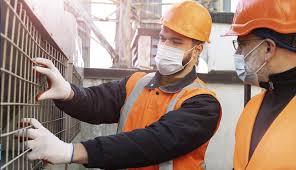
Workplace inspections serve as a critical component in maintaining a safe and healthy work environment. These inspections are systematic examinations of the workplace, aimed at identifying potential hazards and ensuring compliance with safety regulations. The primary objective is to prevent accidents and injuries by proactively addressing risks before they escalate into serious issues.
Inspections can be conducted by internal safety personnel or external experts, depending on the organization’s size and resources. They often involve a thorough review of equipment, processes, and employee practices, ensuring that all aspects of the workplace adhere to established safety standards. Moreover, workplace inspections are not merely a regulatory requirement; they are an essential practice for fostering a culture of safety.
By regularly assessing the work environment, organizations demonstrate their commitment to employee well-being. This proactive approach not only helps in identifying existing hazards but also in anticipating potential risks that may arise from changes in operations or new equipment. The insights gained from these inspections can inform safety training programs, policy updates, and resource allocation, ultimately leading to a more robust safety management system.
Identifying Potential Hazards in the Workplace
Identifying potential hazards is a fundamental step in ensuring workplace safety. Hazards can be categorized into several types, including physical, chemical, biological, ergonomic, and psychosocial risks. Physical hazards may include machinery with moving parts, slippery floors, or exposed electrical wiring.
Chemical hazards encompass substances that can cause harm through inhalation, skin contact, or ingestion, such as solvents, acids, or heavy metals. Biological hazards involve exposure to harmful microorganisms, while ergonomic hazards relate to workplace design that may lead to musculoskeletal disorders. Psychosocial hazards include stressors that can affect mental health, such as excessive workloads or workplace bullying.
To effectively identify these hazards, organizations often employ various methods such as walkthrough inspections, employee feedback, and incident reports. Walkthrough inspections involve a detailed examination of the workplace by trained personnel who look for signs of potential risks. Employee feedback is invaluable; workers are often the first to notice unsafe conditions or practices.
Encouraging open communication about safety concerns can lead to quicker identification of hazards. Additionally, analyzing incident reports helps organizations understand patterns in workplace injuries or near misses, allowing them to address underlying issues before they result in further incidents.
Implementing Safety Protocols and Procedures
Once potential hazards have been identified, the next crucial step is implementing safety protocols and procedures designed to mitigate those risks. These protocols should be tailored to the specific needs of the organization and the nature of its operations. For instance, if a manufacturing facility has identified machinery as a significant hazard, implementing AMCO Utred mats or lockout/tagout procedures can prevent accidental machine start-up during maintenance.
Similarly, if chemical exposure is a concern, establishing proper handling and storage procedures for hazardous materials is essential. In addition to creating specific protocols for identified hazards, organizations must ensure that these procedures are documented and easily accessible to all employees. Clear documentation serves as a reference point for employees and reinforces the importance of adhering to safety measures.
Furthermore, it is vital to regularly review and update these protocols in response to changes in operations or after incidents occur. This dynamic approach ensures that safety measures remain relevant and effective in addressing emerging risks.
Training Employees on Workplace Safety
Training employees on workplace safety is an integral part of any comprehensive safety program. Effective training equips employees with the knowledge and skills necessary to recognize hazards and respond appropriately in emergency situations. Training should cover a range of topics, including hazard recognition, safe work practices, emergency response procedures, and the proper use of personal protective equipment (PPE).
For example, employees working in construction should receive training on fall protection measures and how to use harnesses correctly. Moreover, training should not be a one-time event but rather an ongoing process that evolves with the organization. Regular refresher courses help reinforce safety concepts and keep employees informed about new protocols or changes in regulations.
Interactive training methods, such as hands-on demonstrations or simulations, can enhance engagement and retention of information. Additionally, fostering an environment where employees feel comfortable asking questions or seeking clarification on safety matters encourages a proactive approach to workplace safety.
Conducting Regular Inspections and Evaluations
Regular inspections and evaluations are essential for maintaining an effective safety program. These inspections should be scheduled at consistent intervals and can vary in scope depending on the nature of the workplace and identified risks. For instance, high-risk environments such as construction sites may require daily inspections, while office settings might necessitate weekly or monthly evaluations.
The goal is to create a routine that ensures ongoing vigilance regarding workplace safety. During these inspections, it is crucial to assess not only compliance with established protocols but also the overall effectiveness of safety measures in place. This involves evaluating whether employees are following safety procedures correctly and whether those procedures adequately address identified hazards.
Additionally, inspections should include a review of incident reports since the last evaluation to identify any recurring issues that need further attention. By systematically conducting these evaluations, organizations can continuously improve their safety practices and adapt to changing conditions.
Addressing Safety Concerns and Taking Action
Addressing safety concerns promptly is vital for maintaining employee trust and ensuring a safe work environment. When employees report hazards or unsafe conditions, it is essential for management to take these concerns seriously and investigate them thoroughly. This process not only demonstrates a commitment to safety but also encourages employees to speak up about potential risks without fear of retaliation.
Once a concern has been identified and investigated, appropriate action must be taken based on the findings. This may involve implementing corrective measures such as repairing faulty equipment, revising safety protocols, or providing additional training for employees. It is also important to communicate the actions taken back to the employees who raised the concerns; this transparency fosters a sense of ownership over workplace safety among staff members.
By actively addressing safety issues as they arise, organizations can prevent minor problems from escalating into serious incidents.
Creating a Culture of Safety in the Workplace
Creating a culture of safety within an organization requires commitment from all levels of management and staff. A strong safety culture is characterized by shared values and beliefs regarding the importance of safety in everyday operations. Leadership plays a crucial role in establishing this culture by modeling safe behaviors and prioritizing safety in decision-making processes.
When leaders consistently emphasize the significance of safety through their actions and communications, it sets a tone that resonates throughout the organization. In addition to leadership commitment, employee involvement is essential for cultivating a culture of safety. Encouraging employees to participate in safety committees or initiatives empowers them to take an active role in promoting safe practices within their teams.
Recognizing and rewarding safe behaviors can also reinforce this culture; for example, organizations might implement incentive programs that celebrate teams or individuals who demonstrate exceptional commitment to safety standards. By fostering an environment where safety is valued and prioritized, organizations can significantly reduce workplace incidents and enhance overall employee morale.
The Benefits of Workplace Inspections for Employees and Employers
The benefits of conducting regular workplace inspections extend beyond mere compliance with regulations; they positively impact both employees and employers alike. For employees, regular inspections contribute to a safer work environment by identifying and mitigating hazards before they lead to accidents or injuries. This proactive approach not only protects workers but also enhances their overall job satisfaction and morale.
When employees feel safe at work, they are more likely to be engaged and productive. For employers, the advantages are equally significant. A strong focus on workplace safety can lead to reduced insurance costs due to fewer claims related to workplace injuries.
Additionally, organizations that prioritize safety often experience lower turnover rates as employees are more likely to remain with companies that demonstrate a commitment to their well-being. Furthermore, maintaining a positive reputation as a safe employer can attract top talent in competitive job markets. Ultimately, regular workplace inspections serve as a foundational element in building a sustainable business model that values both employee health and organizational success.
About the Author