Introduction
Sake is a refined cultural beverage that reflects centuries of Japanese craftsmanship, tradition, and attention to detail. Brewed from rice, water, yeast, and koji mold, sake offers a wide range of aromas and flavors that appeal to both new drinkers and experienced enthusiasts. In recent years, sake has gained noticeable popularity across Canada, where consumers are increasingly interested in premium beverages that balance quality, heritage, and mindful enjoyment. Restaurants, specialty shops, and online retailers have contributed to this growing awareness by offering broader selections and educational resources.
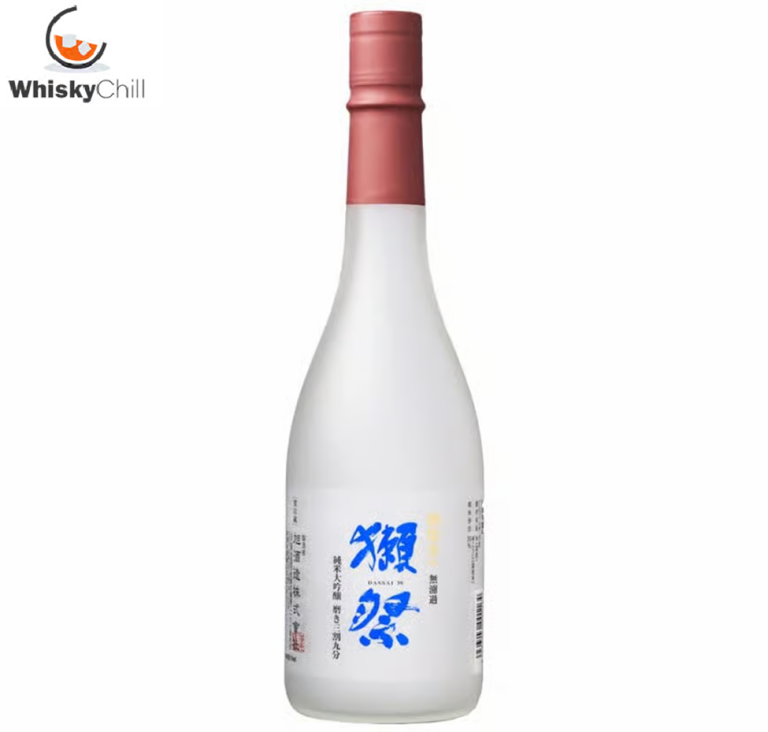
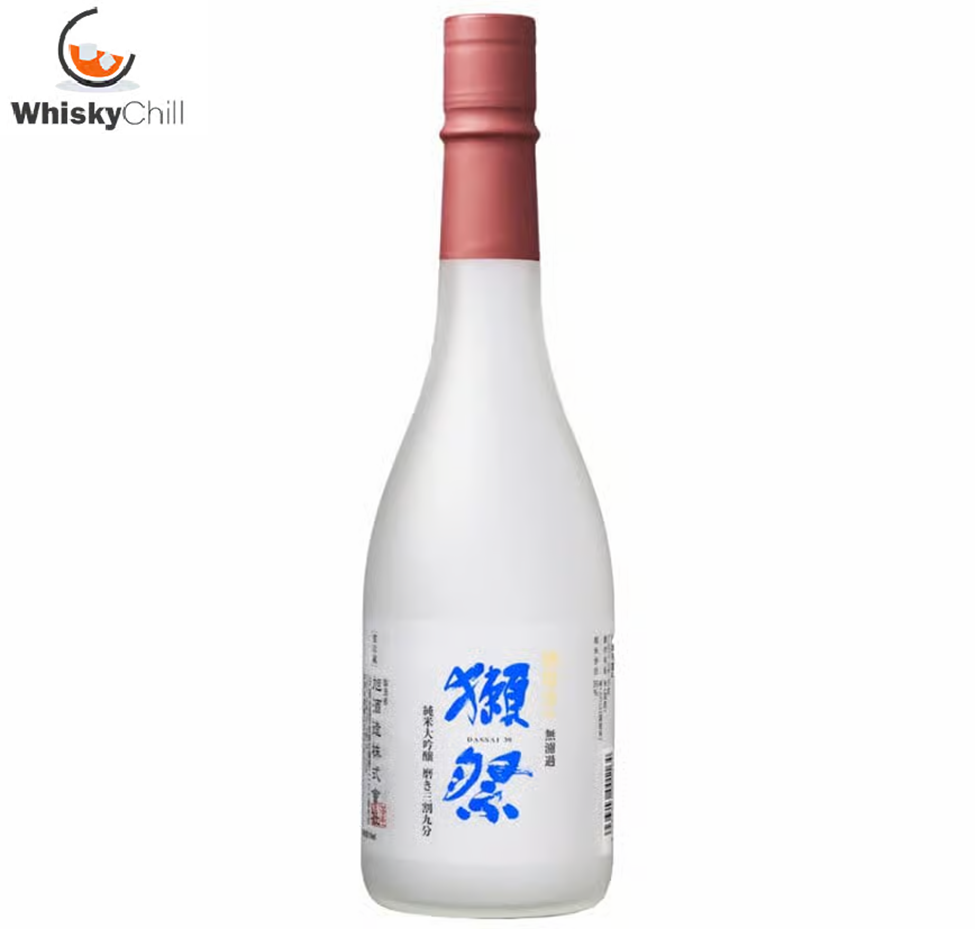
For many individuals beginning their sake journey, well regarded labels such as 獺祭 often serve as an introduction to premium quality and consistency. These bottles help demonstrate how careful brewing and rice polishing influence aroma, texture, and overall balance. As Canadians continue to explore international beverages, sake stands out for its versatility and compatibility with modern dining habits.
This article provides a comprehensive overview of sake appreciation for Canadian enthusiasts. It explores the origins of modern sake, key styles and classifications, rice selection, alcohol content, and tasting techniques. Readers will also learn how to pair sake with a variety of foods, read labels confidently, store bottles correctly, and purchase sake online within Canada. By understanding these elements, consumers can approach sake with curiosity and confidence. Developing an appreciation for sake encourages thoughtful consumption and a deeper connection to the culture and craftsmanship behind every bottle.
The Origins of Modern Sake
The history of sake spans more than a thousand years, evolving alongside Japanese society and culinary traditions. Early sake production was closely tied to religious ceremonies and seasonal rituals, where fermentation methods were simple and heavily influenced by natural processes. Over time, brewing techniques became more refined as knowledge of yeast, temperature control, and rice polishing advanced. These developments laid the foundation for modern sake as it is known today.
The transition to contemporary sake brewing accelerated during the Edo period, when improved milling technology and standardized practices emerged. Brewers began to focus on consistency, cleanliness, and flavor refinement, allowing sake to be enjoyed beyond ceremonial use. The introduction of pasteurization and controlled fermentation further improved stability and quality, making sake suitable for wider distribution and longer storage.
In the modern era, innovation continues to shape sake production. Advanced polishing machines, precise temperature regulation, and selective yeast strains allow brewers to craft distinct flavor profiles with remarkable accuracy. At the same time, many producers maintain respect for tradition by preserving regional styles and time tested methods. This balance between heritage and innovation defines today’s premium sake landscape.
For Canadian enthusiasts, understanding the origins of modern sake adds depth to the drinking experience. It highlights the care and evolution behind each bottle and fosters appreciation beyond taste alone. Learning this history helps consumers recognize sake as a cultural expression shaped by centuries of refinement.
Key Sake Types and Their Differences
Sake is broadly categorized into several types, with distinctions based on ingredients, brewing methods, and rice polishing ratios. Understanding these categories is essential for consumers seeking bottles that suit personal preferences, occasions, or culinary pairings. The most commonly encountered classifications are Junmai, Ginjo, and Daiginjo, each offering unique characteristics in flavor, texture, and aroma. These differences also reflect the level of refinement, production complexity, and price point, guiding buyers toward options that match both experience and budget.
Junmai sake is the traditional style made using only rice, water, yeast, and koji mold, with no added alcohol. Its flavor profile tends to be fuller-bodied, with pronounced rice notes, mild acidity, and a natural umami quality. This style appeals to drinkers who appreciate depth and structure, making it versatile for both casual meals and more formal dining experiences. In contrast, Ginjo sake is brewed from rice polished to a higher degree and fermented at lower temperatures, producing a lighter, more delicate texture. Ginjo often showcases fragrant aromas, including fruity or floral notes, which enhance the tasting experience and make it approachable for newcomers to sake.
Daiginjo sake represents the pinnacle of refinement. Produced from highly polished rice with meticulous fermentation techniques, it is recognized for its smooth mouthfeel, elegant bouquet, and clean, lingering finish. These bottles are frequently reserved for premium consumption, such as celebrations, gifting, or pairing with refined cuisine. Within each main category, regional differences, brewery techniques, and yeast strains further contribute to subtle variations in taste and aroma, creating a rich diversity of expressions for enthusiasts to explore.
For Canadian consumers, understanding these distinctions is particularly valuable when ordering sake online or navigating specialty retailers. Product descriptions often indicate the type, helping buyers make informed choices that align with flavor expectations and serving contexts. By learning the differences among Junmai, Ginjo, and Daiginjo, enthusiasts can enhance both their tasting experiences and food pairings. Exploring these styles gradually cultivates a refined palate and allows drinkers to discover which sake expressions best complement their lifestyle, dining habits, and occasions.
The Role of Rice Varieties
Sake rice, distinct from ordinary table rice, is a cornerstone of premium sake production. Its unique composition, particularly the starchy core called shinpaku, allows fermentation to develop smooth textures and balanced flavors. Different rice varieties bring nuanced characteristics that influence aroma, taste, and mouthfeel. Choosing the right rice is essential for brewers aiming to craft elegant or bold sake styles. For Canadian consumers, understanding rice varieties enhances informed purchasing and elevates tasting experiences.
- Yamada Nishiki: Yamada Nishiki is widely recognized as the gold standard for premium sake. Its grains produce delicate, aromatic sake with a soft and refined finish. This variety is often chosen for Daiginjo and other high-polish styles, emphasizing elegance and smoothness.
- Gohyakumangoku: Gohyakumangoku is known for creating lighter, cleaner sake profiles. Its neutral character highlights subtle aromas and allows other brewing elements to shine. This variety suits drinkers who prefer approachable, easy-to-enjoy sake.
- Omachi: Omachi rice introduces richer textures and earthier notes, providing complexity in aroma and taste. It is often used in traditional or artisanal brewing, appealing to enthusiasts seeking depth. Omachi-based sake pairs well with heartier dishes due to its pronounced flavor profile.
- Selecting Rice for Style: Brewers choose rice based on the intended sake style, balancing tradition with creative experimentation. Each variety contributes differently to aroma, sweetness, and mouthfeel. Understanding these choices helps consumers anticipate how the sake will taste before purchase.
Rice variety fundamentally shapes the character and quality of sake, impacting aroma, texture, and overall enjoyment. Knowledge of popular strains like Yamada Nishiki, Gohyakumangoku, and Omachi helps Canadian consumers make confident decisions. Retailers such as whiskychillhk.com provide detailed product information, making selection easier. By appreciating the role of rice, buyers can choose bottles that align with personal taste and pairing needs. Ultimately, understanding rice varieties deepens engagement with sake, turning each tasting into a richer and more informed experience.
Understanding Alcohol Content
Alcohol content is an important factor in shaping the taste and experience of sake. Most sake falls within a range of 14 to 16 percent alcohol by volume, positioning it between wine and spirits. However, the perception of strength varies depending on sweetness, acidity, and texture. A well balanced sake may feel lighter on the palate despite similar alcohol levels.
Lighter styles often emphasize fragrance and smoothness, making them approachable for newcomers. These sakes typically showcase gentle sweetness and a clean finish, which can soften the impression of alcohol. Fuller bodied options may present richer textures and deeper flavors, creating a more pronounced presence. Understanding this distinction helps consumers choose sake that aligns with their comfort level and dining plans.
Alcohol content also influences serving methods. Slightly chilled sake often feels crisper, while room temperature servings may reveal additional depth. For Canadian buyers exploring premium options, this knowledge supports better selection when shopping online or visiting specialty retailers.
Awareness of alcohol content encourages responsible enjoyment and mindful consumption. It allows drinkers to pace tastings appropriately and pair sake with food effectively. By considering both numerical alcohol levels and perceived intensity, enthusiasts can enjoy sake as a refined beverage rather than focusing solely on strength. This balanced approach supports a positive and enjoyable experience for both casual drinkers and seasoned sake enthusiasts.
Tasting Techniques for Newcomers
Developing an appreciation for sake begins with thoughtful tasting techniques that emphasize awareness and balance. Newcomers are encouraged to approach sake with patience, focusing on aroma, texture, and finish rather than speed or quantity. Observing the liquid’s clarity and color provides initial insight into quality and style, setting the stage for a more engaging experience.
A gentle swirl releases aromatic compounds, allowing subtle notes to emerge. Inhaling slowly helps identify floral, fruity, or rice driven scents before tasting. When sipping, small amounts allow the sake to coat the palate evenly. Attention should be given to mouthfeel, sweetness, acidity, and how flavors evolve before the finish. These steps help drinkers understand complexity without feeling overwhelmed.
Simple tasting guidelines include:
- Observe appearance and clarity: Start by examining the sake in a well lit space. Premium sake is typically clear and bright, reflecting careful brewing and filtration. Cloudiness or dullness is uncommon in refined styles and may indicate a different category or storage issue. Visual observation sets expectations for the clean and elegant flavors to come.
- Smell gently before sipping: Gently swirl the glass to encourage aromas to rise, then inhale slowly without rushing. Look for subtle notes such as floral hints, fresh fruit, or soft rice character. Aroma often reveals complexity before the first sip and prepares the palate. Smelling carefully enhances overall perception and enjoyment.
- Take small, deliberate sips: Sip a small amount and allow it to spread across the tongue rather than swallowing immediately. This helps identify sweetness, acidity, and balance more clearly. Larger sips can overwhelm the palate and mask detail. Slow tasting encourages mindfulness and deeper understanding.
- Notice texture and finish: Pay attention to mouthfeel, whether it feels light, silky, or rounded. Observe how flavors fade and whether the finish feels clean or lingering. The finish often defines quality and style. This final impression shapes overall appreciation.
For Canadian enthusiasts, practicing these techniques enhances confidence when sampling new bottles or attending tastings. It also supports informed purchasing decisions, as consumers become more aware of personal preferences. Tasting alongside light food can further highlight balance and harmony.
With practice, sake tasting becomes an enjoyable ritual rather than an intimidating process. These techniques encourage curiosity and respect for craftsmanship, allowing newcomers to build a refined palate while enjoying sake as part of a relaxed and mindful lifestyle.
Food Pairings Beyond Sushi
While sushi is often associated with sake, the beverage pairs well with a wide range of foods beyond traditional Japanese cuisine. Its versatility allows it to complement meats, vegetables, and even desserts when selected thoughtfully. Understanding pairing principles helps Canadian consumers incorporate sake into everyday meals and special occasions.
Lightly cooked poultry, grilled fish, and roasted vegetables often pair well with fragrant and balanced sake styles. The gentle acidity and umami can enhance natural flavors without overwhelming them. Vegetarian dishes featuring mushrooms, tofu, or root vegetables also benefit from sake’s savory notes. For richer meals, fuller bodied sake can provide balance and contrast.
Dessert pairings are another area of exploration. Mildly sweet sake can complement fruit based desserts, custards, or lightly sweet pastries. The key is avoiding excessive sweetness that may overpower the beverage. Thoughtful pairing encourages experimentation and creativity in the kitchen.
Canadian home cooks and hosts can use sake as a versatile alternative to wine, adapting it to seasonal menus and diverse cuisines. By moving beyond sushi, enthusiasts expand their appreciation and enjoyment. Sake becomes not only a cultural beverage but a practical and refined companion to modern dining, supporting a balanced and enjoyable lifestyle centered on quality and flavor.
How to Read Sake Labels
Sake labels provide valuable information that helps consumers understand what they are purchasing. For newcomers, the variety of Japanese terms can appear complex, but learning a few basics makes label reading approachable and practical. Key elements often include rice polishing ratio, alcohol content, and brewing style, each offering clues about flavor and texture.
The rice polishing ratio indicates how much of the grain has been milled away before brewing. Lower ratios generally suggest a cleaner and more refined profile, while higher ratios may produce richer and fuller flavors. Alcohol percentage is usually listed clearly and helps buyers anticipate strength and balance. Some labels also mention sweetness or dryness indicators, guiding preference based choices.
Additional details such as region of origin and producer name reflect brewing traditions and regional characteristics. While these elements do not guarantee quality, they add context and support informed decision making. Canadian shoppers browsing online listings benefit from these cues, especially when physical tastings are not possible.
Understanding labels empowers consumers to compare options confidently and avoid guesswork. It also supports better pairing decisions and long term enjoyment. With practice, label reading becomes an intuitive skill rather than a challenge. This knowledge helps transform sake selection into a rewarding and educational experience rooted in appreciation and personal taste development.
Storage and Shelf Life Considerations
Proper storage plays a crucial role in preserving sake quality and flavor. Unlike spirits, sake is sensitive to light, heat, and oxygen exposure. Storing bottles in a cool, dark environment helps maintain balance and freshness over time. Refrigeration is often recommended, particularly for premium styles, to slow flavor degradation.
Unopened sake generally remains enjoyable for several months when stored correctly, though it is best consumed closer to purchase for optimal taste. Once opened, sake should be sealed tightly and refrigerated, ideally consumed within one to two weeks. Exposure to air gradually alters aroma and texture, making timely enjoyment important.
Simple storage guidelines include:
- Keep bottles away from direct sunlight: Light can degrade aromas and weaken flavor. Store bottles in cupboards, drawers, or opaque containers to minimize exposure.
- Store at consistent, cool temperatures: Avoid temperature fluctuations that accelerate chemical changes. A stable environment ensures the sake’s delicate balance remains intact.
- Reseal tightly after opening: Minimizing contact with air slows oxidation and helps retain freshness. Use the original cap or a specialized stopper if available.
For Canadian households, following these practices ensures that each bottle delivers the intended experience. Storage awareness also supports value, as proper care prevents unnecessary waste. While some sake styles are more resilient, mindful handling benefits all varieties.
By treating sake with the same respect given to fine wine, consumers protect their investment and enhance enjoyment. Thoughtful storage reflects appreciation for craftsmanship and encourages responsible consumption, reinforcing sake’s role as a refined and rewarding beverage.
Buying Online in Canada
Buying sake online in Canada has become increasingly accessible, offering convenience and a wider selection than many physical stores. Online platforms allow consumers to explore diverse styles, compare prices, and review product details from the comfort of home. This accessibility supports informed decisions and encourages experimentation.
Reliable online retailers prioritize authenticity, clear descriptions, and secure ordering processes. Product listings often include tasting notes, rice polishing ratios, and suggested pairings, helping buyers select bottles that suit their preferences. Price ranges vary depending on style and availability, making it possible to find both everyday options and premium selections.
Canadian buyers should consider shipping regulations and delivery timelines when ordering alcohol online. Reputable sellers provide transparent policies and professional customer support, ensuring a smooth purchasing experience. This reliability builds trust and long term customer relationships.
Online shopping also benefits those living outside major urban centers, where specialty sake may be limited. By browsing digitally, enthusiasts gain access to curated selections without geographic constraints. This expanded access supports Canada’s growing interest in sake culture.
Thoughtful online purchasing combines convenience with education, allowing consumers to deepen knowledge while enjoying quality products. With careful selection and trusted retailers, buying sake online becomes a practical and enjoyable part of modern Canadian lifestyles.
Conclusion
Sake appreciation offers Canadian enthusiasts an opportunity to explore tradition, craftsmanship, and mindful enjoyment through a refined beverage. Understanding production elements, tasting techniques, and pairing options allows drinkers to move beyond surface level enjoyment toward informed appreciation. Each bottle reflects careful brewing choices and cultural heritage.
Learning how to read labels, store sake properly, and shop responsibly enhances confidence and satisfaction. These skills support better purchasing decisions and encourage responsible consumption. Sake becomes more than a drink, evolving into an experience tied to food, social connection, and personal taste development.
Access to authentic products has improved significantly, making quality sake easier to enjoy across Canada. Platforms like whiskychillhk.com support this accessibility by offering carefully sourced selections, reliable ordering, and helpful product guidance for discerning consumers.
As interest in sake continues to grow, Canadians are well positioned to embrace it as part of a balanced and thoughtful lifestyle. Whether enjoyed with a meal or shared during gatherings, sake encourages slower moments and deeper appreciation. Readers are invited to explore further, browse the shop, and order online in Canada to continue building a refined palate rooted in quality, authenticity, and enjoyment.
About the Author