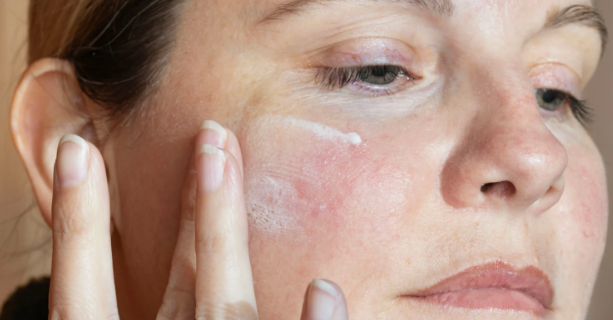
Facial redness and rosacea are common skin concerns that affect millions of people worldwide. Persistent redness, visible blood vessels, irritation, and occasional flare-ups can significantly impact skin appearance and confidence. We understand that managing these conditions requires a combination of effective treatments, proper skincare routines, lifestyle adjustments, and medical therapies.
In this comprehensive guide, we explore the best treatments for facial redness and rosacea, including dermatologist-recommended solutions, natural remedies, advanced procedures, and skincare strategies that help restore calm, balanced, and healthy-looking skin.
Understanding Facial Redness and Rosacea
Facial redness can occur for many reasons, including sensitive skin, inflammation, environmental triggers, and underlying skin conditions. One of the most common causes is rosacea, a chronic inflammatory condition that primarily affects the cheeks, nose, chin, and forehead. brimonidine gel for facial redness
Common symptoms include:
- Persistent redness or flushing
- Visible blood vessels (telangiectasia)
- Small red bumps or pustules
- Burning or stinging sensation
- Dry, sensitive skin
Rosacea typically develops gradually and may worsen if left untreated. Understanding the triggers and selecting appropriate treatments can significantly improve skin comfort and appearance.
Topical Treatments for Facial Redness and Rosacea
Dermatologists frequently recommend topical medications as the first line of treatment for rosacea and chronic redness.
1. Metronidazole Cream or Gel
Metronidazole is a widely prescribed treatment known for its anti-inflammatory and antimicrobial properties. It helps reduce redness, swelling, and bumps associated with rosacea. Regular application can significantly calm inflamed skin and improve overall skin tone.
2. Azelaic Acid
Azelaic acid is another effective ingredient that targets inflammation, bacteria, and clogged pores. It is particularly helpful for individuals experiencing rosacea with acne-like breakouts.
Benefits include:
- Reducing redness and swelling
- Improving skin texture
- Clearing bumps and pimples
3. Brimonidine Gel
Brimonidine works by temporarily constricting blood vessels, which helps reduce visible redness within minutes. It is often used for individuals who experience persistent facial flushing.
Oral Medications That Help Control Rosacea
For moderate to severe rosacea, dermatologists may prescribe oral medications to control inflammation and flare-ups.
Low-Dose Antibiotics
Low-dose antibiotics such as doxycycline are frequently used for their anti-inflammatory effects rather than antibacterial action. These medications help reduce redness, swelling, and skin irritation.
Isotretinoin for Severe Cases
In rare and severe cases of National Rosacea Society that do not respond to other treatments, dermatologists may prescribe low-dose isotretinoin. This medication can significantly reduce inflammation and improve skin appearance when carefully monitored.
Laser and Light Therapy for Persistent Redness
Modern dermatology offers several advanced laser and light-based treatments that effectively target visible blood vessels and chronic redness.
Pulsed Dye Laser (PDL)
Pulsed dye laser therapy targets dilated blood vessels beneath the skin, reducing redness and improving skin clarity. Multiple sessions may be required for optimal results.
Intense Pulsed Light (IPL)
IPL therapy uses broad-spectrum light to reduce redness, flushing, and pigmentation irregularities. It is commonly recommended for individuals with persistent facial redness and visible capillaries.
Nd:YAG Laser Treatment
This advanced laser penetrates deeper into the skin to treat larger blood vessels and vascular lesions, making it effective for stubborn rosacea symptoms.
Best Skincare Routine for Redness-Prone Skin
A gentle and consistent skincare routine is essential for managing rosacea and preventing flare-ups.
Use Mild, Fragrance-Free Cleansers
Harsh cleansers can strip the skin barrier and worsen redness. Instead, we recommend mild, sulfate-free cleansers designed for sensitive skin.
Apply Soothing Moisturizers
Hydrating the skin helps strengthen the skin barrier and reduce irritation. Look for moisturizers containing:
- Ceramides
- Hyaluronic acid
- Niacinamide
- Aloe vera
Never Skip Sunscreen
Sun exposure is one of the most common rosacea triggers. Daily use of broad-spectrum SPF 30 or higher is essential to protect sensitive skin.
Mineral sunscreens containing zinc oxide or titanium dioxide are often better tolerated by rosacea-prone skin.
Natural Remedies That Help Calm Facial Redness
While medical treatments are highly effective, certain natural ingredients can also soothe irritated skin.
Green Tea Extract
Green tea contains powerful antioxidants and anti-inflammatory compounds that help calm redness and irritation. Many skincare products now include green tea as a key ingredient.
Oatmeal Masks
Colloidal oatmeal has long been used to treat sensitive and inflamed skin. It helps reduce itching, redness, and irritation.
Chamomile and Aloe Vera
Both ingredients are known for their calming and healing properties. They help reduce inflammation while keeping the skin hydrated and balanced.
Lifestyle Changes That Prevent Rosacea Flare-Ups
Managing rosacea also requires identifying and avoiding triggers that worsen redness.
Common triggers include:
- Hot beverages
- Spicy foods
- Alcohol
- Extreme temperatures
- Stress
- Sun exposure
Keeping a skin trigger diary can help identify specific factors that worsen symptoms. By adjusting lifestyle habits, many individuals can significantly reduce flare-ups.
Best Ingredients to Look for in Anti-Redness Skincare
Selecting the right skincare ingredients can dramatically improve redness-prone skin.
Some of the most effective ingredients include:
- Niacinamide – reduces inflammation and strengthens the skin barrier
- Centella Asiatica – promotes healing and calms irritation
- Allantoin – soothing and moisturizing
- Licorice root extract – helps reduce redness and discoloration
Products formulated with these ingredients are often recommended for sensitive and rosacea-prone skin types.
Makeup Tips for Covering Facial Redness
Makeup can be helpful for temporarily minimizing redness while treating the underlying condition.
Green Color Correctors
Green pigments neutralize red tones, making them effective for reducing visible redness before applying foundation.
Mineral Foundations
Mineral makeup is typically lighter and less irritating, making it ideal for sensitive skin. Choose non-comedogenic formulas designed for reactive skin types.
Avoid Heavy Fragrances and Alcohol
Makeup products containing fragrances or alcohol can worsen redness and irritation. Always opt for hypoallergenic formulations.
When to See a Dermatologist
Although mild redness may be manageable with over-the-counter treatments, persistent symptoms should be evaluated by a dermatologist.
Professional evaluation is recommended if you experience:
- Severe or worsening redness
- Painful or inflamed bumps
- Eye irritation or dryness
- Thickened skin around the nose
Early diagnosis and treatment help prevent rosacea from progressing and ensure the most effective care.
Long-Term Management of Rosacea and Facial Redness
Rosacea is a chronic condition, but with proper treatment and care, it can be effectively managed. A combination of dermatologist-approved medications, gentle skincare, sun protection, and trigger management can dramatically improve skin appearance and comfort.
Consistency is essential. By maintaining a balanced skincare routine and healthy lifestyle, individuals can keep redness under control and achieve clearer, calmer skin over time.
With the right approach, facial redness and rosacea no longer have to control how your skin looks or feels. Modern dermatology provides numerous safe and effective solutions that restore confidence and skin health.
About the Author