Introduction
Mealtime plays a central role in a pet’s daily routine, influencing not only nutrition but also emotional wellbeing. For many pets, especially cats and small dogs, food is a key source of comfort, stimulation, and routine. Wet food has gained growing attention among Canadian pet owners for its ability to enhance both enjoyment and nutritional intake.
Unlike dry alternatives, wet food engages multiple senses at once. Its aroma, texture, and moisture content create a more appealing experience, particularly for pets that are selective or experiencing reduced appetite. These qualities can transform meals from routine feeding into moments of anticipation and satisfaction.Modern pet owners are also becoming more conscious of hydration, ingredient quality, and feeding accuracy. Wet food supports these priorities while offering flexibility for different life stages and health needs. From senior pets to those recovering from illness, wet food can play a supportive role without complicating feeding routines.
As online shopping continues to grow across Canada, access to high-quality wet food options has expanded. Pet owners can now compare products, read ingredient labels carefully, and order suitable options without leaving home. This convenience supports more thoughtful feeding choices.Understanding how wet food contributes to appetite, hydration, and routine helps pet owners make informed decisions. When chosen and served correctly, wet food can enhance daily meals while supporting long-term health and comfort.
The Sensory Experience of Wet Food Meals
Pets rely heavily on sensory cues when approaching food. Wet food naturally delivers a richer sensory experience compared to dry kibble, making it more engaging at mealtime. The combination of aroma, moisture, and texture activates instinctive feeding responses.Visually, wet food often appears fresher and more appealing. Its natural colors and visible ingredients can attract attention, especially for pets that have grown bored with uniform dry pellets. This visual stimulation encourages curiosity before the first bite.
Texture plays a significant role as well. Soft, moist food is easier to chew and swallow, particularly for older pets or those with dental sensitivities. The smooth consistency reduces effort during eating, allowing pets to focus on enjoyment rather than discomfort.Aroma further enhances the experience. Wet food releases scent more effectively, which is crucial for pets with diminished smell sensitivity. This makes meals more inviting and can reignite interest in food.
The sensory engagement provided by wet food helps establish positive associations with mealtime. Pets become more responsive when food satisfies instinctive preferences, leading to calmer feeding behavior.For Canadian households managing picky eaters, sensory-rich meals reduce waste and frustration. When food appeals naturally, feeding becomes smoother and more predictable, supporting healthier routines and stronger bonds between pets and caregivers.
Why Aroma Plays a Key Role in Appetite
A pet’s sense of smell plays a central role in determining whether food is appealing. Aroma is often the first signal pets use to assess freshness, quality, and safety before taking a bite. Moisture-rich foods release scents more effectively, making aroma a key driver of interest and engagement. This is particularly important for pets that are selective, aging, or experiencing reduced appetite. When aroma aligns with instinct, it naturally encourages eating without the need for artificial enhancement.
How Aroma Influences Appetite and Eating Behavior
- Triggers initial interest and willingness to eat: Strong, natural aromas stimulate a pet’s curiosity before tasting begins. This sensory cue often determines whether a pet approaches the bowl or ignores it. For pets with reduced appetite, aroma can be the deciding factor that initiates eating.
- Supports appetite in senior or recovering pets: Older pets or those recovering from illness often rely more heavily on scent than taste. A richer aroma helps compensate for declining sensory perception. This makes meals more inviting and supports consistent food intake during vulnerable periods.
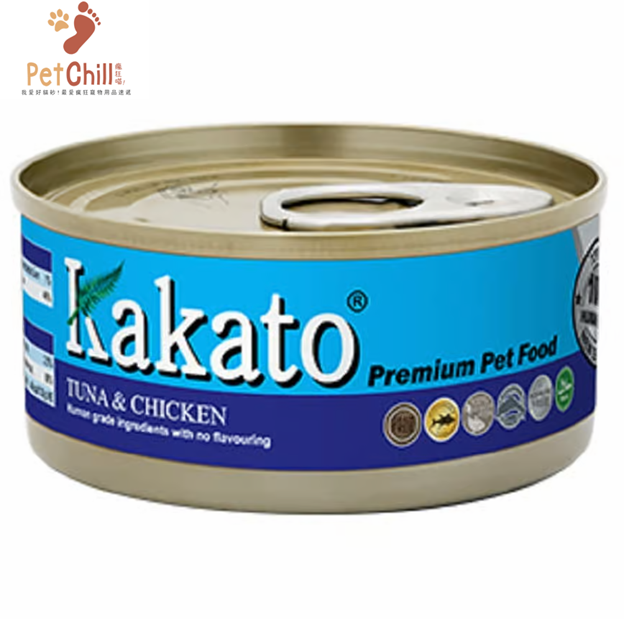
- Reflects ingredient quality and freshness: Natural aromas come from real proteins and proper preparation, not artificial flavoring. When ingredients are gently cooked and stored correctly, their scent remains intact. Products like kakato 罐頭 are often associated with this quality because their formulations prioritize ingredient clarity.
- Builds positive feeding routines: Pets quickly associate specific smells with mealtime. This repetition creates anticipation and reinforces consistent eating habits. Predictable aroma cues also help reduce anxiety around feeding.
- Enhances palatability through proper serving conditions: Serving food at room temperature allows aromas to release more fully. Simple adjustments can significantly increase meal appeal without changing the diet itself. Environmental factors therefore play a supporting role in appetite stimulation.
Aroma is a powerful yet often overlooked factor in pet nutrition. It influences interest, consistency, and overall enjoyment of meals. Foods that rely on natural ingredients and adequate moisture tend to align better with a pet’s instincts. For pet owners, especially those ordering food online, understanding aroma helps guide smarter product choices. When scent, quality, and routine work together, pets are more likely to eat well and maintain healthy feeding habits over time.
Texture Preferences Among Different Pets
Texture is a defining factor in how pets respond to food, and preferences can vary widely based on age, species, and individual habits. Some pets prefer smooth pâté styles, while others enjoy shredded or minced textures that provide gentle resistance during chewing.Cats, in particular, often show strong texture preferences. A food that is too firm may be rejected, while overly watery options can feel unfamiliar. Balanced moisture with a soft structure tends to appeal to most cats, especially indoor companions. Dogs also benefit from softer textures, particularly smaller breeds or those with dental sensitivities.
Texture affects more than enjoyment. It influences chewing behavior, digestion, and feeding pace. Wet food allows pets to eat more comfortably without excessive effort, which is important for seniors or pets with missing teeth. Easier chewing supports consistent intake and reduces feeding stress.
Access to varied textures is increasingly important for Canadian pet owners shopping online. Retailers such as petchillhk.com make it easier to explore multiple wet food formats from trusted global brands, allowing owners to match textures to their pets’ preferences without trial-and-error shopping.Rotating textures within a familiar ingredient profile can also prevent boredom. When pets remain engaged at mealtime, feeding routines stay positive and predictable. Understanding texture preferences helps owners choose wet food that supports comfort, enjoyment, and long-term eating consistency.
Wet Food as a Solution for Reduced Appetite
Reduced appetite is a common concern among pet owners, particularly during periods of stress, aging, or recovery. Wet food offers practical support during these times due to its aroma, softness, and ease of consumption.When pets feel unwell or anxious, strong flavors and appealing textures encourage them to eat without pressure. Wet food requires less chewing, which can be beneficial for pets experiencing discomfort or fatigue. This allows them to maintain energy intake even when appetite is low.
Consistency also matters. Wet food provides uniform texture in every serving, reducing hesitation caused by unexpected hardness or dryness. This predictability can help pets regain confidence in eating.For pets recovering from surgery or illness, hydration becomes critical. Wet food contributes moisture alongside nutrients, reducing reliance on water intake alone. This dual benefit supports recovery without altering feeding habits significantly.
Canadian pet owners often face seasonal appetite fluctuations, especially during colder months when pets may be less active. Wet food offers warmth, aroma, and comfort that align with these changes.Serving smaller, more frequent portions can further improve intake. Wet food adapts well to portion control, making it easier to adjust feeding without waste. When appetite is unreliable, choosing food that naturally encourages eating helps protect overall wellness and reduces caregiver stress.
Hydration Benefits Beyond the Water Bowl
Hydration is essential for digestion, organ function, and temperature regulation in pets. While access to fresh water is important, many pets do not consume enough fluids through drinking alone. This is especially common in cats and during colder climates or less active periods. Moisture-rich food helps supplement daily fluid intake in a natural, stress-free way. When hydration is built into meals, it supports health without requiring changes in drinking behavior.
Long-Term Benefits of Hydration Through Food
- Improved kidney and urinary health: Consistent moisture intake supports proper kidney function by helping flush waste from the body. Over time, this reduces strain on the urinary system and lowers the risk of related issues. Pets receiving hydration through food often maintain healthier urinary balance.
- Better digestive efficiency: Adequate hydration aids in breaking down food and moving nutrients through the digestive tract. Long term, this supports regular bowel movements and improved nutrient absorption. Pets may experience less constipation and digestive discomfort.
- Support for naturally low drinkers: Cats and some dogs instinctively drink less water than they need. Moisture-rich meals compensate for this tendency without forcing increased water intake. Over time, this helps prevent chronic dehydration-related concerns.
- More stable energy and temperature regulation: Hydration plays a role in maintaining normal body temperature and circulation. Pets that receive enough fluids through food may show steadier energy levels, especially during warm weather or active periods. This contributes to overall comfort and endurance.
- Reliable hydration in challenging environments: Cold climates or frozen water bowls can reduce water consumption. Wet food provides a consistent hydration source regardless of environmental conditions. Over time, this reliability supports year-round wellness.
Hydration extends beyond the water bowl and plays a continuous role in long-term pet health. Moisture-rich food offers a practical way to support fluid intake every day. This approach is especially valuable for pets that drink less water naturally or face environmental challenges. By integrating hydration into routine feeding, pet owners reduce health risks without added effort. Over time, consistent hydration supports comfort, organ health, and stress-free mealtimes for both pets and caregivers.
Portion Control and Feeding Accuracy
Accurate portion control is a cornerstone of responsible feeding and long-term pet health. Even high-quality food can contribute to weight gain or nutritional imbalance when portions are inconsistent. Wet food offers a practical advantage in this area because it is easier to measure, divide, and adjust with precision. Unlike dry food that is often poured by estimation, wet food portions are visually clear and consistent in density, making accurate feeding more achievable for everyday households.
Pre-portioned cans or trays help pet owners serve the same amount at each meal, reducing the risk of accidental overfeeding. This consistency supports stable energy levels and helps maintain a healthy body condition over time. For pets that require closer weight management, such as indoor cats or less active dogs, this level of control is especially valuable. Wet food also allows for small, gradual adjustments. Owners can slightly increase or reduce servings without creating noticeable changes that might affect appetite or satisfaction.
In multi-pet households, accurate portioning plays an important role in maintaining harmony. When each pet receives a measured serving based on size, age, and activity level, competition and food guarding are less likely to occur. Predictable portions reinforce routine and fairness, which contributes to calmer feeding environments.
Canadian pet owners who prioritize long-term wellness often seek feeding methods that feel intuitive rather than complicated. Wet food supports this by simplifying intake tracking without the need for scales or complex calculations. Proper portioning also reduces food waste, as pets are more likely to finish meals sized appropriately for their needs. When accuracy aligns with enjoyment, feeding becomes calm, efficient, and sustainable.
Wet Food and Digestive Comfort Over Time
Digestive comfort is a long-term priority for pets, especially those with sensitive stomachs or recurring digestive issues. Wet food supports digestive ease by providing higher moisture content and a softer consistency that places less strain on the gastrointestinal system. When food is easier to break down, nutrients are absorbed more efficiently, supporting overall wellness.
Moisture plays a central role in digestion. Wet food helps soften stool and promotes smoother movement through the digestive tract, reducing discomfort such as constipation or irregular bowel movements. Over time, this consistency contributes to better gut stability and fewer digestive disruptions that can affect appetite and behavior.
Ingredient composition also influences digestive comfort. Many wet foods rely on simplified ingredient lists with clearly identified proteins and limited fillers. This reduces the risk of irritation and makes it easier for pet owners to identify foods that suit their pets’ tolerance levels. When digestion remains steady, pets are more likely to approach meals calmly and eat consistently.
As pets age, digestive efficiency often declines. Wet food supports senior pets by offering gentle textures and enhanced hydration that accommodate slower digestion. For pets with ongoing sensitivities, consistent wet food feeding helps establish predictable digestive patterns. Over time, digestive comfort improves quality of life, making wet food a practical choice for long-term feeding routines.
The Role of Wet Food in Building Mealtime Consistency
Consistency is a key element in establishing healthy and stress-free feeding routines for pets. Animals thrive when daily activities, especially mealtimes, follow a predictable pattern. Wet food supports this structure by offering uniform texture, aroma, and appearance at every serving. These familiar cues help pets recognize mealtime without confusion or hesitation. Over time, consistent feeding experiences contribute to calmer behaviour and stronger eating habits.
Key Ways Wet Food Supports Mealtime Consistency
- Creates reliable sensory cues at every meal: Wet food delivers the same aroma and texture each time it is served, which helps pets immediately recognize mealtime. These repeated sensory signals reduce uncertainty and anxiety around food. Pets become more willing to eat calmly and consistently when meals feel familiar.
- Encourages steady eating habits over time: Consistent food experience reduces the likelihood of skipped meals or erratic eating behavior. Pets develop trust in what is offered, leading to improved appetite stability. This is especially helpful for pets that have experienced routine changes or environmental stress.
- Supports easier health monitoring for pet owners: When pets consume similar portions of the same food daily, changes in appetite become easier to spot. Early signs of reduced intake or disinterest can signal potential health concerns. Consistency allows owners to respond quickly and adjust care when needed.
- Simplifies feeding in multi-pet households: Pre-measured wet food portions help ensure each pet receives an appropriate amount. This reduces competition, food guarding, and uneven feeding. Predictable routines promote fairness and calm during mealtime.
Mealtime consistency plays an important role in both physical health and emotional wellbeing. Wet food naturally supports routine by providing familiar sensory cues and predictable portions. These qualities help reduce stress and encourage reliable eating behavior. For pet owners, consistent feeding makes daily care easier to manage and monitor. Over time, structured wet food routines strengthen comfort, trust, and overall feeding harmony.
How Wet Food Supports Emotional Wellbeing at Mealtime
Mealtime plays an important emotional role in a pet’s daily life, extending beyond basic nutrition. Pets rely on familiar routines to feel safe, and food is one of the strongest sources of reassurance. Wet food supports emotional wellbeing by creating meals that feel predictable, engaging, and comforting. The combination of aroma, texture, and moisture helps capture a pet’s attention and encourages calm participation at the bowl. When meals consistently deliver positive sensory experiences, pets develop a stronger sense of security around feeding time.
Stress-related behaviors often surface during meals when pets feel uncertain or overstimulated. Wet food helps reduce these reactions by encouraging focused eating. Its soft texture and appealing scent naturally slow the feeding pace and minimize frustration. Pets that engage calmly with their food are less likely to display pacing, vocalization, or food guarding. This relaxed approach to eating also supports better digestion and smoother transitions after meals.
Wet food can also strengthen the emotional bond between pets and caregivers. Serving wet food often involves closer interaction, whether through portioning, gentle encouragement, or shared routines. These moments reinforce trust and attentiveness, helping pets associate feeding with positive human presence. Over time, this connection supports emotional balance and confidence.
For pets facing anxiety, aging-related changes, or disruptions to routine, wet food offers familiarity. The consistent taste and texture provide grounding during uncertain periods. When meals remain emotionally positive, pets maintain healthier appetites, reduced stress levels, and a greater sense of wellbeing woven into their everyday lives.
Conclusion
Wet food plays a meaningful role in enhancing mealtime satisfaction while supporting long-term physical health and emotional comfort for pets. Its sensory richness, higher moisture content, and gentle texture align closely with natural feeding instincts, making meals more engaging and enjoyable. These qualities do more than improve nutrition alone. They contribute to calmer behaviour, steadier appetite, and a more positive relationship with food that carries through the day.
For Canadian pet owners who are becoming increasingly thoughtful about what and how they feed, wet food offers flexibility without unnecessary complexity. It adapts well to different life stages, from growing pets to seniors, and supports changing needs related to appetite, activity level, or seasonal routines. When meals remain predictable and satisfying, pets are more likely to feel secure and emotionally settled, even during periods of change.
Access to reliable, high-quality products plays an important role in maintaining these benefits over time. Platforms such as petchillhk.com make it easier for pet owners to explore authentic wet food options, compare ingredients, and maintain consistent feeding routines without disruption. Having dependable access to trusted brands supports both nutritional confidence and long-term planning.
Ultimately, wet food should be viewed not simply as a preference, but as a practical wellness tool. When chosen with care and served thoughtfully, it supports hydration, digestive comfort, and emotional balance. Feeding routines built around enjoyment and nourishment help pets thrive daily, transforming ordinary meals into moments of reassurance, comfort, and lasting wellbeing.
About the Author