
Introduction
Home workshops often accommodate a wide range of activities, from equipment repairs and furniture assembly to vehicle maintenance and DIY projects. These activities require different tools, materials and components, many of which can be heavy, bulky or difficult to move. Without an organised storage arrangement, workshop spaces can quickly become congested, making it harder to access equipment and complete tasks efficiently.
Material handling is an important part of maintaining an effective workshop. Moving tools, machinery components and supplies between storage areas and workstations requires suitable planning, particularly when heavier items are involved. Poorly arranged equipment can increase unnecessary movement, create handling difficulties and reduce the amount of space available for practical work.
Combining appropriate shelving systems with suitable lifting equipment can help address these challenges. A well-designed arrangement supports better organisation, improves accessibility and allows materials to be handled more systematically. Understanding how storage and lifting solutions work together can therefore help create a more functional and manageable workshop environment.
1. Understanding the Material Handling Challenges in Garage Workshops
Material handling involves the movement, storage and positioning of materials throughout a working environment. In home workshops, these activities may include transferring toolboxes, handling machinery components, moving spare parts and organising supplies for maintenance or repair projects. Although individual tasks may appear straightforward, repeated handling can become challenging when the workspace lacks an appropriate arrangement.
One common problem is the movement of heavy equipment between different locations. Large tool cases, metal components and machinery accessories may require considerable effort to transport manually. When storage areas are positioned far from workstations, unnecessary carrying and repositioning can increase the time required to complete routine activities.
Another challenge involves storing items of different sizes and weights together. Small components can become difficult to locate when mixed with larger equipment, while heavy materials may occupy unsuitable storage positions. Poor load distribution can also affect shelving stability, particularly when individual shelves are used beyond their specified capacity.
Limited floor space creates additional difficulties. Many home workshops operate within garages or converted utility areas that must accommodate storage, equipment and working stations simultaneously. Excessive clutter can restrict movement and make it difficult to transport materials safely.
Understanding these challenges is the first step towards improving material handling. Evaluating the types of equipment used, their dimensions, weight and frequency of movement helps determine where storage areas should be positioned. A practical layout can then reduce unnecessary handling, improve access to essential supplies and support more efficient workshop activities.
2. Planning Storage Locations Around Workshop Activities
An effective workshop storage layout should reflect the activities performed within the space. Rather than arranging shelves wherever empty floor space is available, storage locations should be planned according to how tools, materials and equipment are used throughout different tasks.
One useful approach involves dividing the workshop into functional areas. A maintenance section may require convenient access to hand tools, replacement components and cleaning supplies. An assembly area may need additional room for larger materials, measuring equipment and work surfaces. Separating these activities helps prevent different categories of equipment from becoming mixed together.
Frequently used tools should generally be stored close to the workstations where they are needed. This reduces repeated movement between storage areas and helps maintain a consistent workflow. Less frequently accessed equipment can occupy separate storage sections, provided that it remains accessible when required.
The arrangement of heavier materials also deserves attention. Components that need regular movement should be positioned where they can be retrieved without unnecessary lifting or carrying. Storage locations should also account for the dimensions of larger equipment, ensuring that materials can be removed without disturbing neighbouring items.
Movement routes are another important consideration. Adequate clearance should be maintained between shelving, workbenches and equipment so that materials can be transported without obstruction. Doorways, electrical installations and emergency access areas should remain unobstructed.
A well-planned workshop layout therefore considers the relationship between storage and everyday activities. By placing equipment according to its purpose and frequency of use, workshops can become easier to navigate and more efficient to operate.
3. Choosing Shelving Systems for Tools, Machinery and Workshop Materials
Selecting suitable shelving is essential when organising tools, machinery components and other workshop materials. Different storage requirements demand different shelf dimensions, construction materials and load capacities. A shelving system designed for lightweight containers may not be appropriate for heavy toolboxes or substantial metal components.
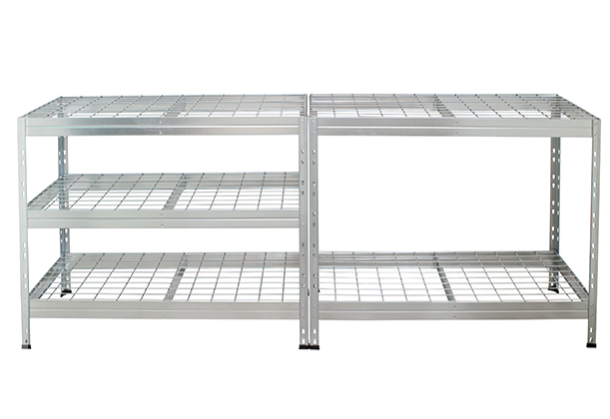
Heavy-duty metal shelving is commonly considered for workshop environments because it can support demanding storage applications when correctly specified. Before selecting a unit, its overall load capacity and individual shelf ratings should be examined. These specifications help determine whether the shelving is suitable for the equipment being stored.
Adjustable shelving provides another useful option. Workshop materials often vary in height, width and shape, making fixed shelf arrangements less practical. Adjustable configurations allow shelf positions to be modified to accommodate larger tool cases, storage containers and other equipment. This flexibility can also help workshops adapt when new tools or materials are introduced.
Modular shelving systems offer additional possibilities for organising different sections of a workshop. Multiple units can be arranged according to the available space, creating separate storage areas for tools, spare parts and maintenance supplies. However, the configuration must always follow the manufacturer’s assembly and loading instructions.
For workshops that operate within garages, suitable garage shelving can provide a practical way to organise equipment while making better use of available space. Direct2U, a supplier of warehouse and workplace supplies, offers a relevant range of storage solutions to consider when evaluating shelving requirements for different environments.
Material selection should also reflect the workshop’s operating conditions. Garages may experience moisture, temperature fluctuations and occasional condensation. In such environments, the finish and corrosion resistance of metal shelving can influence its suitability and maintenance requirements.
Ultimately, shelving should be selected according to the actual materials being stored rather than appearance or available floor space alone. Appropriate dimensions, stable construction and suitable load ratings contribute to a reliable storage arrangement.
4. Understanding How Lifting Equipment Supports Safer Workshop Operations
Some workshop activities involve handling materials that are too heavy or awkward to move comfortably by hand. Machinery components, large equipment assemblies and substantial tool containers may need to be raised or lowered before maintenance or assembly work can begin. Suitable lifting equipment can assist with these tasks when selected and operated according to the intended application.
A lifting solution can help position compatible loads at more convenient working heights. This may reduce repeated manual lifting and make certain maintenance activities easier to organise. However, lifting equipment must be appropriate for the load, working environment and task being performed.
Several considerations are important when evaluating lifting equipment:
- Rated load capacity: Every lifting device has a specified maximum capacity. The combined weight of the material and any additional load placed on the platform must remain within the manufacturer’s limits. Selecting equipment with an unsuitable rating can create serious operational risks.
- Platform dimensions: The platform should provide adequate space for the intended material. Loads must be positioned securely, with attention to their shape, weight distribution and stability during lifting or lowering operations.
- Operating height: Different workshop activities may require materials to be positioned at different heights. Equipment should offer a suitable operating range for the intended task without introducing unnecessary complexity into the handling process.
- Workplace conditions: Available floor space, surface stability and surrounding obstructions should be evaluated before lifting equipment is introduced. The operating area should remain clear so that the equipment can function without interfering with other workshop activities.
- Operator training and inspection: Individuals responsible for operating lifting equipment should understand the relevant instructions and safety procedures. Routine inspections should also identify visible damage, mechanical problems and other issues requiring attention.
Lifting equipment is most effective when it forms part of a properly planned material-handling system. It should not replace appropriate storage practices or safe manual handling procedures. Instead, it provides an additional solution for specific tasks involving compatible loads.
5. Coordinating Shelving and Lifting Equipment for a More Efficient Workflow
Shelving and lifting equipment serve different purposes, but their arrangement can influence how efficiently materials move through a workshop. Shelving provides designated locations for stored belongings, while lifting equipment supports the positioning of compatible loads during specific handling activities. Coordinating these resources can reduce unnecessary movement and improve the organisation of everyday tasks.
A useful starting point is identifying where materials are stored and where they are needed. Equipment used during maintenance activities should be accessible from the relevant workstation. Larger components may require a separate storage section with sufficient clearance for removal and transportation.
The positioning of lifting equipment should also be considered in relation to nearby shelving. A designated handling area can provide space for materials to be retrieved, positioned and prepared for further work. However, the area should not be so close to storage units that lifting operations interfere with other equipment or obstruct access.
The sequence of workshop activities can guide this arrangement. Materials may first be retrieved from storage, transferred to an inspection area and then moved to an assembly or maintenance workstation. Planning these locations in advance can reduce repeated journeys and prevent equipment from being left in unsuitable places.
Another important factor is maintaining sufficient working clearance. Lifting devices require an appropriate operating area, while shelving needs enough surrounding space for materials to be placed and retrieved safely. Walkways should remain unobstructed, and stored equipment should not extend into areas required for movement.
The arrangement should also accommodate changing workshop requirements. Different projects may involve different materials, equipment sizes and handling needs. A flexible layout makes it easier to modify storage positions or reorganise designated work areas without disrupting the entire workshop.
By coordinating storage and handling arrangements, a workshop can establish a more logical working environment. This approach supports accessibility, reduces unnecessary material movement and makes better use of available space.
6. Maintaining Workshop Equipment and Reviewing Handling Practices
An organised workshop requires regular attention to ensure that storage and handling equipment remain suitable for continued use. Shelving, lifting devices and other workshop facilities may experience wear through repeated use. Routine inspections and consistent maintenance practices can help identify problems before they affect everyday operations.
Several practices can support effective workshop maintenance:
- Inspect shelving components: Shelving should be checked periodically for damaged frames, loose connections, corrosion and signs of instability. Any defects should be addressed according to the manufacturer’s instructions before the equipment continues to be used.
- Monitor shelf loading: Stored materials should remain within the specified capacity of each shelf. Heavy items should be distributed appropriately, and loads should not be concentrated in ways that compromise stability. Changes in stored equipment should prompt a review of the overall arrangement.
- Maintain lifting equipment: Lifting devices should be inspected according to the manufacturer’s recommended schedule. Mechanical components, operating controls and safety features should be checked by appropriately qualified individuals where required. Equipment showing signs of damage or malfunction should not continue to be used until the issue has been addressed.
- Keep working areas organised: Tools and materials should be returned to their designated locations after use. Maintaining clear walkways and removing unnecessary objects from work surfaces helps prevent congestion and supports safer movement throughout the workshop.
- Review handling procedures: Workshop activities may change as new equipment or materials are introduced. Reviewing how loads are moved, stored and positioned can help identify unnecessary handling steps and opportunities to improve workflow.
- Maintain employee awareness: Everyone using the workshop should understand relevant storage limits, equipment instructions and handling procedures. Clear responsibilities and appropriate training help establish consistent practices across different activities.
Maintenance should be treated as an ongoing part of workshop management rather than an occasional task. A consistent approach helps preserve equipment condition, maintain storage efficiency and support a more dependable working environment.
Conclusion
Efficient material handling is an important part of maintaining a functional home workshop. Poorly positioned equipment, unsuitable shelving and unnecessary manual movement can make routine activities more difficult and reduce the effective use of available space.
A structured approach begins with understanding material-handling requirements and planning storage locations around everyday workshop activities. Appropriate shelving provides organised locations for tools and materials, while suitable lifting equipment can assist with positioning compatible heavy loads. Coordinating these solutions helps establish a more logical movement of materials throughout the workspace.
Regular inspections, appropriate loading practices and consistent maintenance further support long-term efficiency. By considering storage and lifting requirements together, workshops can become better organised, more accessible and more practical for a wide range of maintenance and DIY activities.
About the Author