
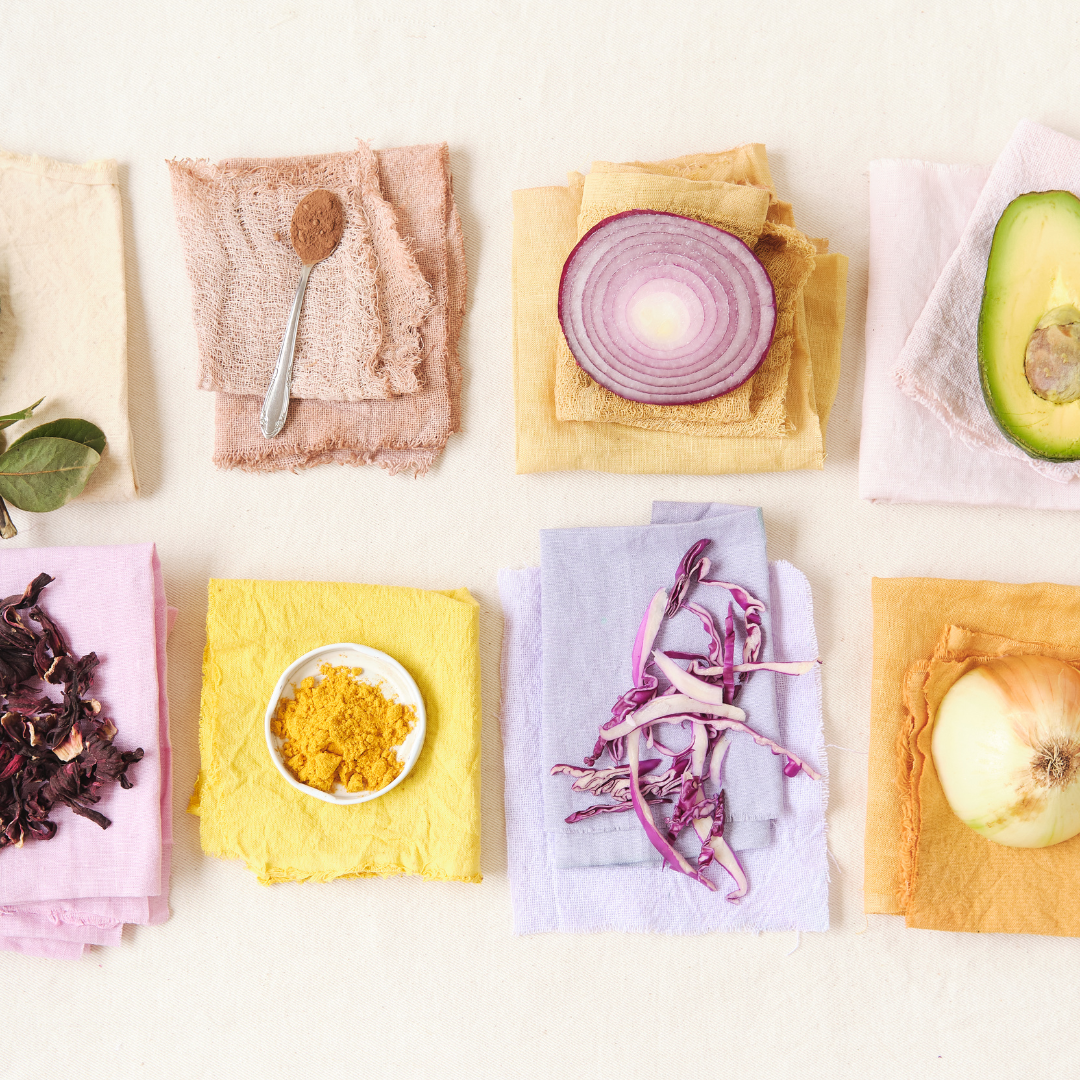
Natural dyes are becoming increasingly popular as fashion designers, textile businesses, and conscious consumers search for alternatives to conventional synthetic colourants. Made from plants, flowers, roots, bark, fruits, seeds, and other natural sources, these dyes can create beautiful and distinctive shades while connecting modern textiles with traditional craft practices.
From indigo blue and madder red to pomegranate yellow and sappan wood pink, natural dyes offer a wide colour palette with an organic appearance. They are especially suitable for sustainable fashion, handcrafted textiles, artisan products, and brands that want to communicate a stronger connection with nature.
What Are Natural Dyes?
Natural dyes are colourants obtained from renewable biological sources. They may be extracted from leaves, flowers, wood, roots, fruits, bark, seeds, minerals, or other naturally occurring materials.
Common examples include:
- Indigo for blue shades.
- Madder for red, pink, and earthy tones.
- Sappan wood for red and rose shades.
- Catechu for brown and deep tan colours.
- Annatto for orange and yellow tones.
- Pomegranate for yellow and muted gold shades.
- Myrobalan for yellow, beige, and olive tones.
- Marigold petals for bright yellow and golden shades.
- Rose petals for soft, subtle tones.
The final colour depends on the dye source, extraction method, fibre type, mordant, water quality, temperature, dyeing time, and finishing process. As a result, natural dyeing often produces gentle variations that give every textile a unique character.
Why Are Natural Dyes Important for Sustainable Fashion?
Reduced dependence on petroleum-based colourants
Many conventional synthetic dyes are manufactured using petrochemical-based ingredients. Their environmental impact depends on the chemicals used, processing conditions, wastewater treatment, and disposal systems.
Natural dyes can reduce dependence on petroleum-derived colourants when they are responsibly sourced and processed. However, “natural” does not automatically mean impact-free. Sustainable dyeing still requires careful management of water, energy, mordants, transport, and agricultural resources.
Connection with traditional craftsmanship
Natural dyeing has been practised for centuries across India and other textile-producing regions. Techniques involving indigo, madder, turmeric, pomegranate rind, myrobalan, and other materials form an important part of traditional textile knowledge.
Using natural dyes can help preserve these skills and create opportunities for artisan communities. It also allows brands to develop collections that reflect local culture, heritage, and hand-crafted production methods.
Distinctive colour variations
Synthetic dyes are often chosen for their precise and repeatable colour matching. Natural dyes, in contrast, may create subtle variations between batches. These differences can add depth and authenticity to handloom, hand-dyed, and artisanal fabrics.
For brands focused on slow fashion, small-batch production, and craftsmanship, slight colour variation can become part of the product’s identity rather than a defect.
Suitable for conscious consumers
Consumers are paying greater attention to the materials, chemicals, and processes used to make clothing. Natural dyes appeal to shoppers who prefer plant-based materials, artisan techniques, and products with a visible connection to nature.
Brands can use natural dyeing as part of a wider sustainability strategy that includes responsible fibres, ethical manufacturing, durable design, low-waste production, and transparent sourcing.
Popular Natural Dye Sources
Indigo
Indigo is one of the best-known natural dyes and is traditionally used to produce blue shades. Depending on the dye bath and number of dips, it can create pale sky blue, medium blue, deep navy, and dark indigo tones.
Indigo dyeing is often associated with traditional textile techniques and can be used on cotton, linen, hemp, silk, and other fibres when properly prepared.
Madder
Madder is obtained from the roots of certain plants and is commonly used to create red, rust, pink, terracotta, and warm earthy shades. The final colour depends on the fibre, mordant, temperature, and dye concentration.
Madder is valued for its historical importance and its ability to produce rich, natural-looking colours.
Sappan wood
Sappan wood is traditionally used to create shades ranging from pink and red to purple, depending on the dye bath conditions and pH. It is often supplied as wood pieces, chips, powder, or extract.
Pomegranate
Pomegranate peel contains natural tannins and can be used to create yellow, beige, olive, and muted golden shades. It is also useful as a mordant-supporting dye material for certain fibres.
Myrobalan
Myrobalan is commonly used in textile dyeing because it contains tannins. It can produce yellow, beige, cream, and olive tones and may also help prepare some natural fibres for subsequent dyeing.
Suvetah’s Natural Dyes collection includes indigo extract, sappan wood powder, madder powder, catechu, annatto, myrobalan, pomegranate powder, galnut extract, marigold petals, and rose flower petals.
Natural Dyeing and Different Fibres
Natural dyes can be used on many fibres, but each material behaves differently.
- Cotton usually requires preparation and may benefit from mordants to improve colour absorption.
- Linen can produce soft, earthy tones and is well suited to natural dyeing.
- Hemp may develop a rich, organic appearance because of its natural texture.
- Silk often absorbs natural dyes well and can produce bright, luminous colours.
- Wool may create deep and warm shades but requires careful temperature control.
- Bamboo and regenerated fibres may need specific preparation based on their manufacturing process.
Before bulk production, brands should always conduct dye trials on the exact fabric they intend to use. A dye that performs well on silk may produce a different result on cotton or hemp.
The Role of Mordants
Mordants are substances used to help fix dye to textile fibres. Common mordants include alum, iron, copper, and tannin-based materials. They can influence both colour intensity and shade.
Mordants must be handled responsibly. Some substances may create environmental or safety concerns if they are used in excessive quantities or discharged without treatment. A sustainable dyeing process should include correct dosing, safe handling, wastewater management, and responsible disposal.
Brands should ask suppliers about the mordants and auxiliaries used during production rather than assuming that every natural dye process is automatically non-toxic.
Benefits for Fashion Brands
Natural dyes can support several product and branding opportunities:
- Limited-edition collections.
- Hand-dyed garments.
- Artisan collaborations.
- Premium sustainable clothing.
- Naturally coloured home textiles.
- Small-batch accessories.
- Heritage-inspired collections.
- Botanical and nature-themed designs.
They can also help brands tell a stronger product story. Information about the dye source, artisan technique, fibre composition, and production location can make the product more meaningful to customers.
However, sustainability claims should be specific and verifiable. Brands should avoid describing a product as completely chemical-free unless every stage of production has been assessed, including fibre processing, mordanting, washing, finishing, and packaging.
Challenges of Natural Dyes
Natural dyes also have limitations. Colour consistency can be more difficult to achieve than with synthetic dyes. Some shades may fade with sunlight, washing, perspiration, or friction if the fabric is not properly prepared and finished.
Other challenges include:
- Variation in raw-material quality.
- Seasonal availability of dye plants.
- Longer dyeing times.
- Higher labour requirements.
- Limited colour reproducibility.
- Water and energy use.
- Need for skilled dyers.
- Difficulty matching exact colour standards.
These challenges do not make natural dyes unsuitable. They highlight the importance of skilled production, quality testing, clear care instructions, and realistic customer expectations.
How to Care for Naturally Dyed Textiles
Naturally dyed garments should generally be washed gently with mild detergent and cool water. Excessive exposure to strong sunlight, bleach, harsh chemicals, and high temperatures may affect the colour.
Consumers should follow the care label provided by the brand. Proper care can help extend the life of the garment and reduce the need for frequent replacement.
Natural Dyes in Modern Textile Sourcing
Natural dyes are no longer limited to traditional crafts. Today, they are being explored by independent designers, sustainable fashion labels, textile studios, interior brands, and manufacturers developing low-impact collections.
For businesses sourcing fabrics, it is useful to request:
- Fibre composition.
- Dye source.
- Dyeing method.
- Mordant details.
- Colour-fastness results.
- Sample swatches.
- Production lead time.
- Minimum order quantity.
- Wastewater-management information.
Buyers looking for sustainable materials can also explore Suvetah’s Whole Sale fabric online selection of natural, organic, recycled, handloom, and eco-friendly fabrics.
Final Thoughts
Natural dyes offer a meaningful alternative for brands that want to create distinctive textiles with a stronger connection to nature and traditional craftsmanship. Materials such as indigo, madder, sappan wood, pomegranate, myrobalan, annatto, and flower petals can produce beautiful colours for fashion and lifestyle products.
Their sustainability depends on responsible sourcing, careful processing, safe mordant use, wastewater management, and transparent communication. When combined with organic or recycled fibres, ethical production, durable design, and thoughtful care practices, natural dyes can become an important part of a more responsible textile industry.
About the Author