When lives are on the line, fire departments cannot afford to compromise on equipment quality. The demanding nature of firefighting and emergency response requires gear built to withstand extreme conditions, repeated use, and the unpredictable challenges that come with every call. From the moment the alarm sounds to the final stages of scene cleanup, having reliable heavy duty equipment can mean the difference between a successful operation and a preventable tragedy.
Personal Protective Equipment That Goes the Distance
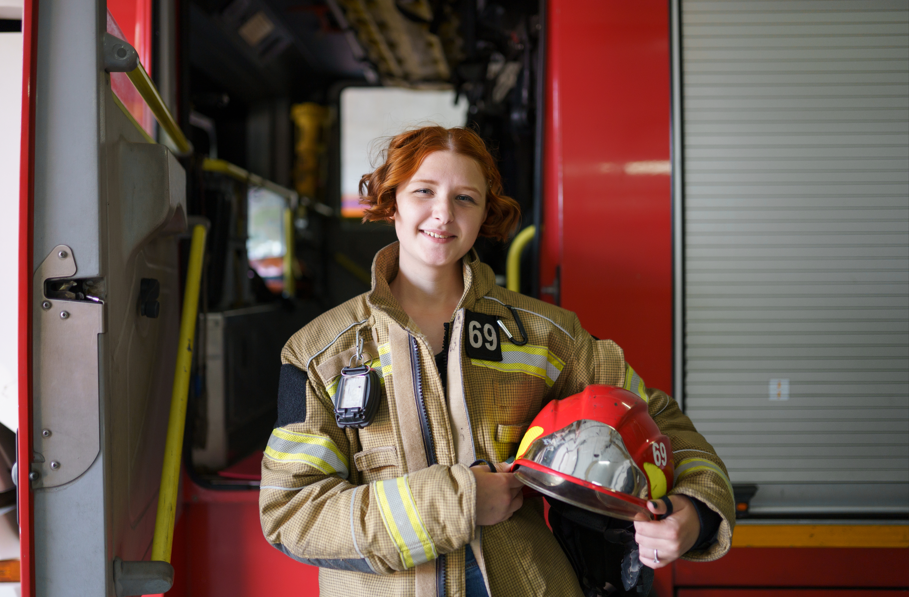
The foundation of any fire department’s arsenal begins with personal protective equipment designed for maximum durability. Turnout gear must resist extreme heat, sharp objects, and hazardous chemicals while remaining flexible enough for firefighters to move quickly and efficiently. Modern structural firefighting ensembles incorporate advanced materials that provide superior thermal protection without sacrificing mobility.
Self-contained breathing apparatus represents another critical investment that demands unwavering reliability. These systems must deliver clean air in the most hostile environments imaginable, from smoke-filled buildings to chemical spills. Heavy duty construction ensures that breathing equipment can withstand impacts, extreme temperatures, and the rigorous physical demands placed on firefighters during operations.
Hoses and Nozzles Built for Performance
Fire hoses endure tremendous stress during deployment, from being dragged across broken glass and sharp debris to handling extreme water pressure. Heavy duty hoses constructed with reinforced materials resist kinking, abrasion, and bursting even under the most demanding conditions. Double-jacketed hoses provide enhanced durability for interior firefighting operations, while single-jacketed varieties offer lighter weight for exterior use without compromising strength.
Nozzles must match the durability of the hoses they’re attached to. Professional-grade nozzles feature solid brass or hardened aluminum construction that resists corrosion and damage from repeated drops and impacts. Adjustable flow patterns and reliable shut-off mechanisms ensure firefighters maintain control over water application in dynamic, high-stress situations.
Heavy Duty Trucks and Specialized Apparatus
Fire apparatus represents the most significant equipment investment any department makes, and these vehicles must perform flawlessly for decades. Heavy duty trucks form the backbone of fleet operations, carrying personnel, water, and equipment to emergency scenes. Modern apparatus designs incorporate reinforced frames, powerful engines, and sophisticated pump systems capable of delivering water at high pressure for extended periods.
Beyond traditional engines, many departments rely on specialized apparatus for specific operations. A Skid Unit mounted on a heavy duty chassis provides versatility for rural departments or areas where traditional fire engines cannot access. These portable pump and tank systems can be quickly deployed for wildland firefighting, remote water supply operations, or as backup equipment during large-scale emergencies.
Aerial apparatus, including ladder trucks and tower platforms, require exceptional structural integrity to safely support firefighters at height while managing heavy loads. Reinforced aerial devices, stabilization systems, and hydraulic components must function reliably in all weather conditions, from freezing temperatures to extreme heat.
Extrication and Rescue Tools
Vehicle accidents and structural collapses demand tools capable of cutting through the strongest materials. Heavy duty hydraulic rescue tools, including spreaders, cutters, and rams, must generate enormous force while remaining controllable in tight spaces. Battery-powered systems have revolutionized extrication operations by eliminating hoses and improving maneuverability without sacrificing cutting power.
Rescue departments also rely on specialized equipment like rope rescue systems, confined space entry gear, and structural collapse equipment. Each component must meet stringent strength standards and undergo regular testing to ensure reliability when seconds count.
Maintaining Investment and Readiness
The most advanced equipment means nothing without proper maintenance protocols. Heavy duty gear requires regular inspection, cleaning, and servicing to remain operational. Fire departments should establish comprehensive maintenance schedules that include daily checks, weekly cleaning routines, and annual professional servicing. Documentation of all maintenance activities ensures accountability and helps identify equipment that may need replacement before failure occurs.
Investing in quality training ensures firefighters understand how to properly use and care for their equipment. Regular drills and hands-on practice with heavy duty gear builds familiarity and confidence, enabling personnel to operate efficiently under pressure.
Conclusion
Equipping a fire department with essential heavy duty gear represents a significant financial commitment, but it’s an investment in community safety and firefighter protection. By prioritizing durability, reliability, and performance across all equipment categories, departments ensure they’re prepared to meet any emergency with the tools necessary for successful outcomes.
About the Author