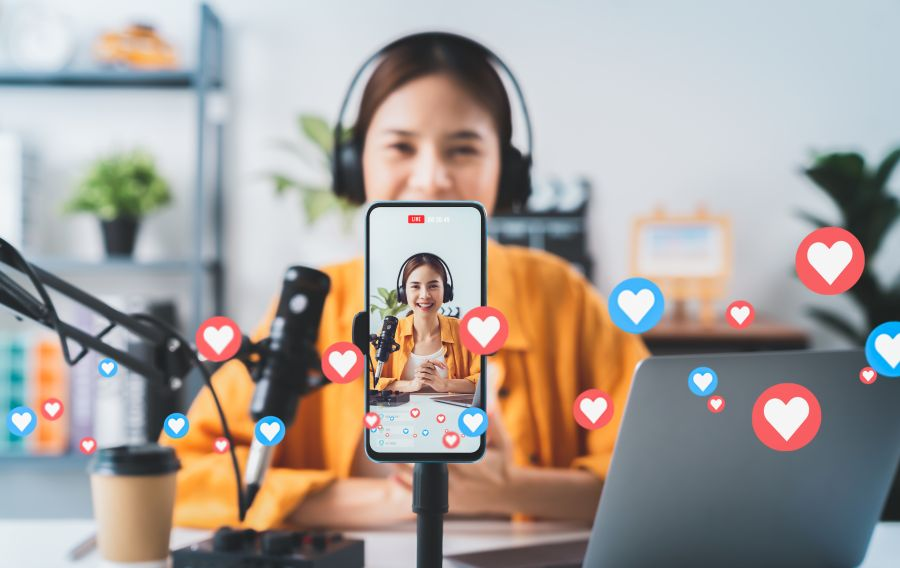
Health, wellness, and lifestyle creators produce valuable video and audio content every week. Many share workout tutorials, nutrition advice, guided meditations, coaching sessions, podcast interviews, and educational discussions. However, much of that information stays locked inside video or audio files after publication.
A social media transcription tool helps creators transform spoken content into useful written assets. Instead of writing every blog post, caption, or summary from scratch, creators can convert existing videos into searchable, editable text. This process saves time while making content easier to reuse across websites, newsletters, and social media platforms.
Why Video Content Should Become Written Content
Video performs well on platforms such as YouTube, Instagram, TikTok, Facebook, and X. Still, many people prefer reading instead of watching long videos. Others want to scan information quickly before deciding whether to watch.
Written content also increases discoverability. Search engines can understand articles more easily than videos. A transcript provides searchable text that supports better indexing while helping readers find specific topics.
For example, a nutrition coach who records a 20-minute video about healthy meal planning can also publish a detailed article, a checklist, and several short social posts from the same recording.
How a Social Media Transcription Tool Simplifies Content Repurposing
Upload or Share Existing Content
Modern transcription platforms eliminate the need for manual typing. Creators can upload video or audio files directly. Many tools also allow users to paste links from YouTube, Instagram, TikTok, Facebook, or X.
This approach removes repetitive work and produces editable text within minutes.
Convert Speech into Structured Text
A quality video transcription tool identifies spoken words and organizes them into readable paragraphs. The transcript becomes the foundation for multiple content formats instead of serving as plain text alone.
Creators can then revise sections, remove filler words, and organize ideas under clear headings.
Build Multiple Assets from One Recording
One recorded session often contains enough information for several pieces of content. A single transcript can become:
- A long-form blog article
- Social media captions
- Podcast show notes
- Email newsletters
- Educational handouts
- Client resources
- Website FAQs
This workflow reduces duplicate effort while extending the value of each recording.
Using a Social Media Transcription Tool for Blog Articles
Many health professionals and educators explain complex topics through conversation. Writing the same material afterward often requires hours of additional work.
A social media transcription tool creates a draft from the original recording. Instead of beginning with a blank page, creators edit existing text into a structured article.
For example, a yoga instructor might record a lesson explaining breathing techniques. The transcript can become an article with sections describing the benefits, step-by-step instructions, common mistakes, and practical tips.
This process preserves the creator’s natural teaching style while reducing writing time.
Creating Better Social Media Captions
Captions require concise language that communicates value quickly. Reviewing an entire video every time a creator writes a caption slows production.
An Instagram transcript generator extracts spoken content that creators can shorten into engaging captions. Quotes, tips, or key lessons become easy to identify without replaying the video repeatedly.
The same transcript can also produce platform-specific captions for Instagram, Facebook, LinkedIn, and X while maintaining message consistency.
Turning Podcasts into Searchable Resources
Many wellness coaches and educators host podcasts covering fitness, stress management, sleep, nutrition, or mental well-being. Podcast episodes often contain detailed discussions that deserve a longer lifespan.
Using audio to text transcription, creators can convert entire episodes into written documents. These transcripts support several valuable resources:
- Detailed show notes
- Blog articles
- Downloadable study notes
- Client reference materials
- Educational newsletters
Readers who prefer text can access the same information without listening to the full episode.
Improving Accessibility for Every Audience
Accessibility benefits both creators and audiences.
Some viewers watch videos without sound while commuting or working. Others have hearing impairments or simply understand written information more easily.
A transcript makes educational content available to more people. Subtitles also improve video engagement because viewers can continue watching in quiet environments.
Accessibility supports better user experiences without requiring creators to produce entirely separate content.
Reusing Social Media Videos Across Multiple Platforms
Each social platform serves different audience behaviors.
An Instagram Reel may introduce a quick wellness tip. A longer YouTube video can explain the science behind it. A Facebook post might summarize the advice for community discussion.
Instead of creating separate material for every platform, creators can begin with one transcript.
For example, a Facebook video transcript can become:
- A LinkedIn educational article
- A weekly newsletter
- A downloadable wellness guide
- A website resource page
- Short quote graphics
This strategy keeps messaging consistent while adapting content to each platform’s preferred format.
Saving Time Without Reducing Content Quality
Manual transcription requires careful listening, repeated playback, and extensive editing. That process consumes valuable production time.
A reliable video to text converter performs the first draft automatically. Creators can then focus on improving clarity, verifying facts, and adding examples rather than typing every sentence.
This workflow allows health professionals to spend more time serving clients, recording new lessons, or developing educational programs.
Choosing the Right Content Repurposing Tool
Not every transcription platform offers the same features.
Creators often benefit from a content repurposing tool that goes beyond basic transcription. Useful capabilities include:
- Video and audio uploads
- Social media link support
- Automatic summaries
- Subtitle generation
- Caption creation
- Translation options
- Hashtag suggestions
- Blog draft generation
These features reduce the number of separate applications needed for content production.
For creators managing multiple channels, an integrated workflow improves efficiency and keeps publishing schedules consistent.
How Dictationer Supports Health and Wellness Creators
Dictationer combines transcription with content repurposing in a single workflow. Users can upload video or audio files or paste links from YouTube, TikTok, Instagram, Facebook, and X.
After processing the content, Dictationer generates transcripts, summaries, subtitles, translations, captions, hashtags, and blog drafts. Instead of moving between several tools, creators can prepare multiple content formats from one recording.
This approach works well for fitness trainers, nutrition coaches, therapists, educators, podcast hosts, lifestyle influencers, and wellness professionals who regularly publish educational content.
Making Every Recording More Valuable
Every recorded lesson, interview, or podcast contains information that can reach audiences in several formats. Transcription transforms spoken content into a flexible resource that supports blogs, captions, newsletters, notes, and educational materials.
A social media transcription tool helps creators spend less time rewriting existing ideas and more time producing useful content. Combined with features such as audio to text transcription, an Instagram transcript generator, a Facebook video transcript, a video transcription tool, a video to text converter, and a comprehensive content repurposing tool, creators can extend the value of every video while making their knowledge easier to discover, read, and share.
About the Author