Introduction
October has transformed from a quiet seasonal turning point into one of the most visually expressive months of the year. Streets fill with decorated shopfronts, homes glow with lantern light, and social calendars become crowded with themed gatherings. What was once a modest autumn observance has developed into a widely anticipated celebration marked by creativity and theatrical presentation. The modern enthusiasm surrounding Halloween reflects a blend of history, commerce, and cultural storytelling.
Over the past few decades, the scale of participation has grown significantly across the United Kingdom. Adults now join children in embracing themed events, workplace celebrations, and community festivals. Retail displays expand earlier each year, and discussions about outfit ideas begin well before October arrives. This growing anticipation signals how deeply embedded Halloween has become within contemporary lifestyle culture.
At the heart of this transformation lies the evolution of costume tradition. From symbolic disguises rooted in folklore to today’s diverse and imaginative Halloween costumes, attire has played a central role in shaping the experience. Exploring how October fashion developed reveals not only shifting consumer habits but also enduring human fascination with storytelling and self expression.
The Ancient Origins of Halloween
Long before illuminated pumpkins appeared in shop windows, communities marked the end of harvest with rituals designed to honour seasonal change. The Celtic festival of Samhain, observed at the close of October, recognised the boundary between summer and winter. Many believed that on this night the veil between the living and the spirit world thinned. To protect themselves from wandering spirits, people wore disguises made from animal skins or simple masks. These early costumes were rooted in superstition rather than entertainment.
Fire played a central role in these gatherings. Bonfires symbolised purification and protection, drawing communities together for collective observance. Participants sometimes adopted symbolic attire representing spirits or ancestral figures. Clothing served as both shield and signal, blending spiritual belief with communal identity. The intention was to confuse or appease supernatural forces during a vulnerable seasonal transition.
As centuries passed, Roman and Christian influences reshaped these traditions. All Hallows’ Eve emerged within the Christian calendar, incorporating earlier customs while redefining their meaning. Disguises gradually shifted from protective ritual to playful imitation. Communities began using costumes for festive visits, storytelling, and seasonal charity practices.
By the nineteenth century, particularly in parts of Ireland and Scotland, dressing up had become more social than spiritual. Immigrants carried these customs to North America, where they evolved further before returning to Britain in modernised form. Although the symbolism has changed, the impulse to adopt another identity during late October continues to echo ancient practices rooted in mystery and collective imagination.
The Commercial Boom of Halloween costumes
The twentieth century marked a turning point in Halloween’s evolution from community tradition to commercial phenomenon. As urbanisation expanded and mass production advanced, manufacturers recognised growing demand for ready made outfits. Early paper and fabric masks gave way to more detailed designs, appealing particularly to children eager to participate in neighbourhood festivities. Retailers soon realised that October presented significant economic opportunity.
Post war prosperity accelerated this trend. Department stores introduced seasonal displays, encouraging families to purchase complete ensembles rather than assemble homemade disguises. By the late twentieth century, the variety of available Halloween costumes had expanded dramatically. Characters ranged from traditional folklore figures to superheroes and popular television icons. Marketing campaigns amplified anticipation, transforming Halloween into a key retail period alongside Christmas and Easter.
The rise of online shopping further reshaped consumer behaviour. Digital platforms made it easier to compare styles, prices, and delivery options from home. Retailers specialising in themed attire began offering extensive catalogues covering both adults and children. Some established stores built reputations through years of experience in costume retail, partnering with recognised brands and maintaining competitive pricing. Reliable customer service and nationwide delivery strengthened consumer trust.
Today, October spending reflects both tradition and lifestyle choice. Seasonal merchandise extends beyond clothing to decorations, makeup, and party accessories. While commercial expansion has altered the scale of celebration, it has also broadened participation. The availability of diverse options ensures that Halloween remains inclusive, accessible, and continually refreshed through evolving consumer interest.
Classic Horror Characters That Never Fade
Despite evolving trends and modern influences, certain Halloween figures remain consistently popular. These enduring characters draw from folklore, gothic literature, and early cinema, retaining appeal across generations. Witches, vampires, ghosts, and zombies continue to appear at parties and community events each October. Their longevity reflects both simplicity and cultural familiarity. Even as fashion shifts, these archetypes maintain symbolic power.
The witch embodies mystery and independence. Traditional pointed hats and flowing robes may vary in style, yet the core image remains recognisable. Vampires represent elegance mixed with danger, often styled with dramatic capes and pale makeup. Ghosts offer minimalist simplicity, while zombies invite creative experimentation with distressed clothing and theatrical effects. These characters provide flexible templates that can be adapted for humour or genuine fright.
Part of their appeal lies in recognisability. Guests immediately understand the reference, which supports interaction and shared storytelling. Classic horror figures also allow for wide interpretation across age groups. Children may choose light hearted versions, while adults often lean into darker aesthetics. This adaptability ensures relevance year after year.
Retailers continue to stock variations of these timeless themes because demand rarely fades. Established costume suppliers often carry multiple interpretations, from simple outfits to premium licensed designs. By offering options that balance quality and affordability, they support diverse preferences. The persistence of these characters demonstrates how deeply Halloween’s storytelling tradition remains rooted in collective imagination.
Pop Culture’s Influence on Costume Trends
While classic horror retains influence, contemporary media plays an increasingly powerful role in shaping October fashion. Films, streaming series, and celebrity moments introduce fresh characters each year. Audiences frequently seek to recreate iconic looks from recent releases, ensuring that costume trends remain dynamic. This constant influx of inspiration keeps Halloween visually engaging and culturally relevant.
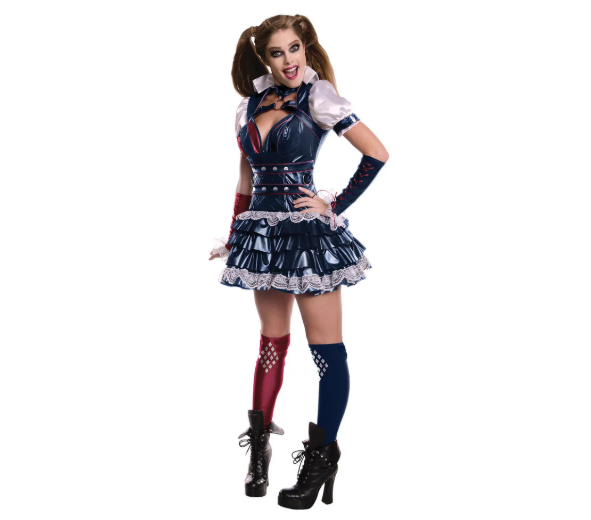
Blockbuster films often generate immediate demand for character replicas. Superheroes, fantasy warriors, and animated protagonists transition quickly from cinema screens to party venues. Streaming platforms amplify this effect by delivering global access to trending series. When a character captures widespread attention, costume versions appear in shops and online catalogues within months.
Celebrity culture further fuels trend cycles. Red carpet appearances, viral music videos, and televised performances influence aesthetic preferences. Social media accelerates this process, spreading images across platforms within hours. As a result, costume choices increasingly reflect current cultural conversations rather than solely traditional folklore.
Retailers that maintain strong relationships with recognised manufacturers can respond quickly to these shifts. By stocking licensed designs alongside classic staples, they accommodate varied interests. Consumers benefit from broad selection and dependable service, particularly when supported by reliable delivery across the United Kingdom. Pop culture ensures that Halloween evolves annually, blending timeless motifs with contemporary creativity.
Family-Friendly vs Fright-Focused Styles
Modern Halloween celebrations reflect a broad spectrum of preferences, ranging from playful and whimsical to genuinely eerie. Families with young children often prioritise charm and imagination over intense scares. Friendly ghosts, cartoon witches, and pumpkin inspired outfits create a festive atmosphere without causing discomfort. Community events and school gatherings typically favour these lighter interpretations to ensure inclusivity.
By contrast, older teens and adults may seek more dramatic presentations. Detailed makeup effects, darker colour palettes, and cinematic influences introduce a sense of theatrical suspense. Haunted house attractions and late evening parties frequently embrace stronger visual impact. Even within these settings, balance remains important to maintain enjoyment rather than distress.
Retail collections often reflect this diversity. Suppliers provide gentle designs alongside more elaborate horror inspired ensembles, allowing households to tailor choices according to age and setting. Families appreciate options that align with different comfort levels within the same celebration. This flexibility supports multi generational participation.
Striking the right balance between fear and fun ultimately depends on context. Hosts and parents benefit from considering audience expectations before selecting attire. When tone aligns with the environment, Halloween becomes a shared experience that welcomes everyone. Whether charming or chilling, the goal remains collective enjoyment rooted in creativity and seasonal tradition.
DIY Creations vs Ready-Made Designs
Costume preparation often begins with a simple question of approach. Some individuals enjoy crafting their own outfits from household materials, while others prefer the convenience of ready made designs. Each method offers distinct advantages depending on time, skill, and desired outcome. Understanding these differences helps participants choose wisely.
Do it yourself projects provide creative freedom and personal satisfaction. Selecting fabrics, assembling accessories, and applying makeup allow complete control over detail. For those who enjoy hands-on activity, the process becomes part of the celebration. However, sourcing materials and achieving professional finishes can require significant time and effort.
Ready made designs offer practicality and consistency. Professionally produced costumes often feature durable stitching, accurate sizing, and coordinated accessories. For busy families or last minute planners, purchasing complete outfits reduces stress. Established online retailers that specialise in seasonal attire frequently stock recognised brands and provide dependable customer service, making selection straightforward.
Ultimately, the decision depends on priorities. Those seeking originality may gravitate toward handmade creations, while others value convenience and reliability. Both approaches contribute to the vibrancy of October festivities. By weighing time, budget, and personal interest, participants ensure that preparation enhances rather than complicates the seasonal experience.
Couples and Group Costume Trends
Coordinated costumes have become a defining feature of modern Halloween gatherings. Couples often choose complementary characters that tell a shared story, creating visual harmony while allowing individual interpretation. Classic pairings drawn from folklore, literature, or cinema remain popular because they are instantly recognisable. At the same time, contemporary television and film provide fresh inspiration each year. This collaborative approach strengthens connection and adds theatrical impact to social events.
Friend groups frequently expand the concept further. Coordinated themes based on music eras, fictional ensembles, or fantasy worlds create striking visual statements when guests arrive together. Planning in advance allows roles to be distributed thoughtfully, ensuring variety without duplication. The process of organising outfits can become a bonding activity in itself. Shared preparation often generates excitement well before October celebrations begin.
Group participation also supports confidence. Individuals who might hesitate to attend alone often feel more comfortable when part of a coordinated set. Visual unity reinforces belonging and encourages interaction with other guests. Hosts appreciate the energy that organised groups bring to the atmosphere. The result is a celebration that feels vibrant and collective.
Retailers respond to this trend by offering themed collections that simplify coordination. Comprehensive ranges covering adults and children make it easier for households and friendship circles to align ideas. Reliable delivery within the United Kingdom and responsive customer support further streamline the process. Coordinated costumes continue to thrive because they combine creativity with camaraderie, enhancing both visual impact and social connection.
Safety and Comfort Considerations
While visual appeal remains important, safety and comfort should guide every costume decision. Fabrics must allow easy movement, particularly for children attending school events or outdoor gatherings. Lightweight materials prevent overheating during indoor parties. Breathable construction ensures that extended wear remains manageable. Comfort supports confidence throughout the evening.
Visibility represents another critical factor. Masks or heavy makeup can restrict sight if not chosen carefully. Clear eye openings and secure fastening systems reduce risk during crowded celebrations. Footwear should provide stable grip, especially on potentially wet October pavements. Thoughtful design prevents minor inconveniences from becoming significant hazards.
Fire safety deserves particular attention. Costumes worn near candles or decorative lighting should meet appropriate safety standards. Parents and hosts benefit from reviewing product descriptions carefully before purchase. Established suppliers typically provide detailed information regarding materials and care instructions. Transparency helps consumers make informed choices.
Mobility also enhances overall enjoyment. Outfits that restrict arm movement or create tripping hazards may limit participation in games or dancing. Adjustable sizing and secure closures contribute to ease of wear. By prioritising safety and comfort alongside style, participants ensure that Halloween celebrations remain enjoyable and worry free for everyone involved.
Social Media and the Rise of October Aesthetics
In recent years, social media has played a defining role in shaping how Halloween is perceived and celebrated. Platforms such as Instagram, TikTok, and Pinterest have transformed October into a month-long visual showcase, where costumes, decorations, and themed experiences are shared globally within seconds. What was once a single evening of celebration has expanded into an entire seasonal aesthetic. Carefully curated photographs of pumpkin patches, themed outfits, and autumn inspired interiors circulate widely, building anticipation weeks in advance. This digital visibility has amplified Halloween’s cultural presence beyond traditional community events.
The concept of “October aesthetics” reflects more than costume choice. Influencers and content creators often document the process of selecting, styling, and revealing their looks, turning preparation into entertainment. Makeup tutorials, transformation videos, and behind the scenes glimpses generate millions of views. Viewers draw inspiration from these posts, blending personal creativity with trending ideas. As a result, costume decisions increasingly consider how outfits will appear on camera as well as in person.
Viral challenges also contribute to the evolution of spooky style. Coordinated transitions, dramatic reveals, and themed photo shoots encourage experimentation. This digital participation fosters a sense of global community, connecting individuals across different regions of the United Kingdom and beyond. Online engagement has effectively extended Halloween from a single night into an ongoing seasonal narrative.
Retailers have adapted to this shift by ensuring their collections photograph well and reflect trending colour palettes or themes. High quality fabrics, detailed accessories, and accurate sizing support confident presentation both offline and online. Reliable nationwide delivery allows customers to plan content creation without uncertainty. Social media has therefore not only influenced costume trends but reshaped the rhythm and scale of October fashion itself, embedding visual storytelling at the centre of modern celebration.
Conclusion
The evolution of October fashion reflects a broader cultural journey that spans centuries of belief, adaptation, and creative reinvention. What began as protective ritual attire during ancient seasonal festivals has gradually transformed into a powerful expression of imagination and identity. Across generations, the act of dressing up has retained its symbolic core while adapting to social change. From handcrafted disguises rooted in folklore to the expansive retail collections available today, costume tradition mirrors the shifting priorities of each era. Halloween’s continued growth demonstrates how deeply storytelling remains embedded within human experience.
Commercial expansion undeniably accelerated this transformation, bringing accessibility and variety to households across the United Kingdom. The availability of diverse designs allows individuals of all ages to participate comfortably, whether they prefer timeless horror figures or contemporary pop culture icons. Retail innovation, reliable nationwide delivery, and responsive customer service have made preparation more convenient than ever before. At the same time, the option to create handmade outfits ensures that personal craftsmanship still holds value. This balance between convenience and creativity keeps October fashion dynamic rather than predictable.
Modern media and social platforms have further amplified Halloween’s visibility, extending celebration beyond a single evening into a month-long cultural event. Digital inspiration fuels experimentation, while coordinated group themes and family participation strengthen social connection. Safety, comfort, and thoughtful design now play essential roles alongside aesthetic appeal. The result is a celebration that is inclusive, expressive, and continually refreshed through collective imagination.
Ultimately, the enduring appeal of Halloween costumes lies in their ability to merge past and present. Ancient echoes of transformation remain present beneath layers of modern influence. Each October, individuals step briefly into alternative identities, exploring fear, humour, fantasy, or nostalgia in ways that feel both personal and communal. This tradition endures not because it remains unchanged, but because it evolves gracefully with culture itself. Through creativity, commerce, and shared experience, October fashion has firmly established its place as a lasting cultural phenomenon.
About the Author