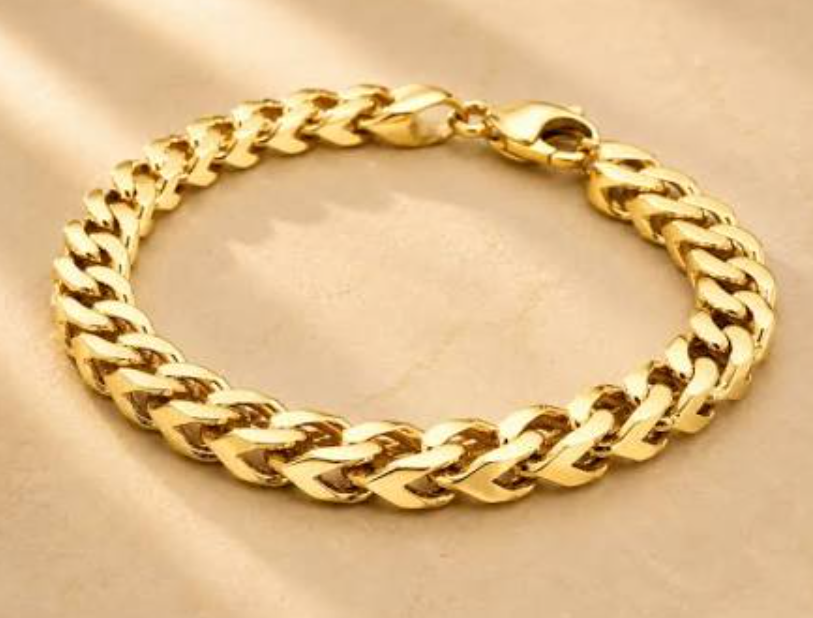
The broken clasp makes the necklace look finished, at least as something you can wear. Its chain still catches the light, but it now lives in a small bag with the detached fastening. Before arranging a repair or deciding to sell, consider what you actually need to learn. Wearability, material identity, and a buyer’s interest are related questions, but they are not interchangeable.
Describe the damage accurately
Bring the parts you still have and explain when the problem became noticeable. If an earlier repair was made, mention it even if you do not know the details. Avoid hiding the damaged area in photographs or presenting the necklace as complete. A straightforward description gives the person assessing it a better basis for explaining what comes next.
There is no need to diagnose the break yourself. A clasp that no longer closes and a chain that has separated are observations you can report. Whether a component needs repair, replacement, or closer examination is something to discuss with an appropriately experienced professional. Keep any sentimental or design details you want preserved in that conversation too.
Ask what condition changes in the assessment
Request an explanation of whether the business is considering the necklace as wearable jewelry, for its materials, or through some other route. Its intended use can influence the questions the buyer asks. Do not assume that damage makes an object worthless, or that condition can never matter because it contains a precious metal.
The discussion of evaluating worn or damaged gold jewelry on a Thai buyer’s website provides context for asking about the treatment of different pieces. It does not guarantee acceptance or establish that a broken item will receive the same offer as an intact one. The specific necklace and the buyer’s stated assessment remain central.
Ask whether the proposed offer includes all the parts you brought and whether any further work is expected. If a component will be excluded, have that explained before deciding. Small detached pieces are easy to overlook in conversation, so a photograph or simple written description can help keep the assessment attached to the complete group of items.
If a repair quotation is available, keep it separate from the purchase offer. Each describes a different proposed transaction. Combining them into a single mental figure can obscure both the cost of restoring the necklace and the amount someone is offering for it now.
Evaluate repair as a separate decision
Before spending money on restoration, ask what you hope the work will achieve. Repairing the necklace so you can enjoy it again is a different objective from repairing it in anticipation of a sale. Neither a higher resale offer nor recovery of the repair cost should be assumed without supporting information.
A useful assessment may leave you with options rather than a transaction. You might repair the clasp, seek a second opinion, or consider an explained offer for the necklace in its current state. The break has changed how the piece can be worn. It need not decide, by itself, what happens to it next.
About the Author