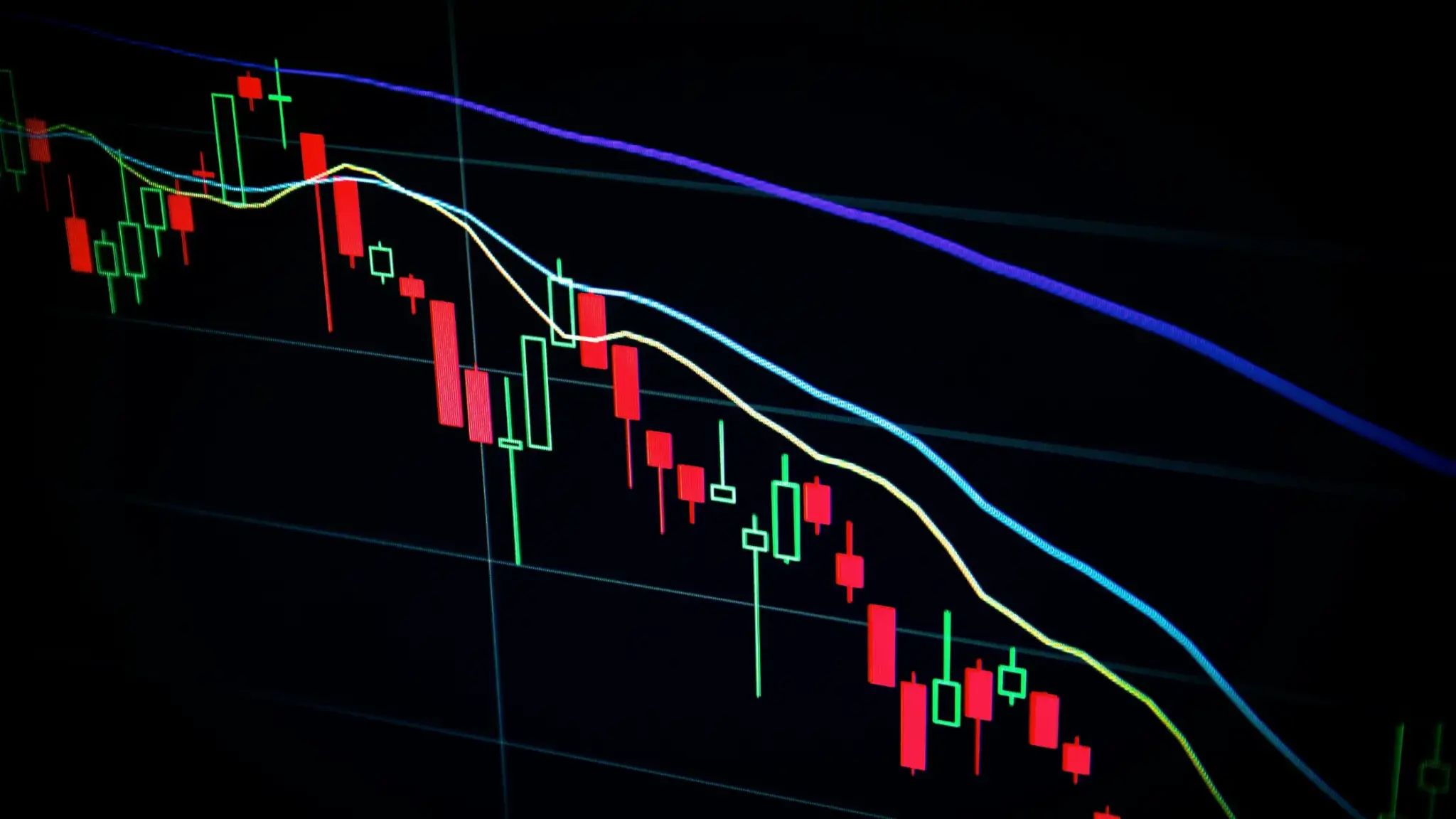

Trading global stock indices allows you to capture macro market movements across major economies without the need to evaluate individual corporate earnings reports. However, index contracts move rapidly during market opens, news events, and session overlaps, making broker selection crucial to your bottom line. Partnering with a reliable platform that offers competitive pricing, fast execution, and strict regulatory safety keeps trading friction low while you focus on navigating price trends.
Why should I trade global indices through CFDs instead of buying index ETFs directly?
Trading stock indices via contracts for difference gives you unmatched flexibility and capital efficiency. Instead of putting up full capital to buy shares in an exchange-traded fund, a CFD lets you speculate on broad equity benchmarks using margin.
You can also go long or short with equal ease, making index CFDs an ideal tool for hedging an existing stock portfolio or capitalizing on sudden market pullbacks. Furthermore, index CFDs allow you to trade fractional lot sizes, making high-value benchmarks like the S&P 500 or Nasdaq accessible without locking up massive reserves. If you are stepping into derivative markets for the first time, studying what is cfd trading provides a clear foundation for how derivative contracts function across different financial assets.
How do I know if an index broker is safe enough to hold my capital?
Safety begins with regulatory oversight. You want a brokerage firm licensed and supervised by top-tier financial regulators—such as the Financial Conduct Authority (FCA) in the UK, ASIC in Australia, or CySEC in Europe.
These supervisory authorities mandate that brokers keep client deposits in segregated bank accounts with tier-one institutions, preventing firms from using your money to fund operational expenses. Furthermore, top-tier providers offer negative balance protection, which stops your account balance from dropping below zero during severe market gaps. Choosing a strictly regulated broker gives you essential legal recourse, leaving you free to analyze charts with complete peace of mind.
How do index spreads work, and what hidden costs should I look out for?
Index spreads are quoted in full index points rather than fractional pips. Think of the spread as a standard service fee built directly into the quote—it represents the baseline gap between the buy price and sell price that your broker charges to execute your order.
Beyond the baseline spread, watch out for three specific costs that can quietly drain your balance:
- Out-of-Hours Spread Spikes: Index spreads often widen significantly when primary underlying stock exchanges close for the day.
- Overnight Swap Rates: Holding leveraged index trades past market close incurs daily interest charges based on benchmark rates.
- Cash vs. Futures Rollover Charges: Cash index contracts feature tighter spreads for day traders, while futures-based contracts avoid daily swaps for multi-day holds.
Comparing these pricing layers helps you locate low spread forex brokers and multi-asset platforms that keep total trading overhead predictable.
How does leverage affect my risk when trading global indices?
Leverage allows you to control a large index contract by depositing a smaller fraction of its total market value. Think of leverage as borrowing purchasing power from your broker to open larger positions than your cash balance alone permits.
While leverage boosts profit potential, it amplifies losses at the exact same rate. High leverage is particularly risky on indices because global news releases can cause sudden, twenty-point price jumps in seconds. Understanding what is leverage in trading helps you set prudent position sizes relative to your overall account size, keeping margin requirements safe from unexpected volatility.
What technical features matter most in an index trading platform?
Platform stability during high-volatility news releases is non-negotiable when trading indices. Look for software that offers real-time charting, quick single-click execution, customizable stop-loss parameters, and mobile compatibility for managing positions on the move.
Your provider should offer fast order routing to minimize slippage—the frustrating gap between the price you clicked and your actual fill price. Testing execution speed and order types on a free demo account helps you confirm that the broker’s platform feels intuitive and responsive before you risk live capital.
Summary
Filter brokers by tier-one regulatory licenses and segregated client accounts, then calculate total costs across both core market hours and off-peak sessions. Test your shortlisted platform on a demo account during high-impact economic news releases to verify fill speeds and platform stability before committing live funds.
About the Author