
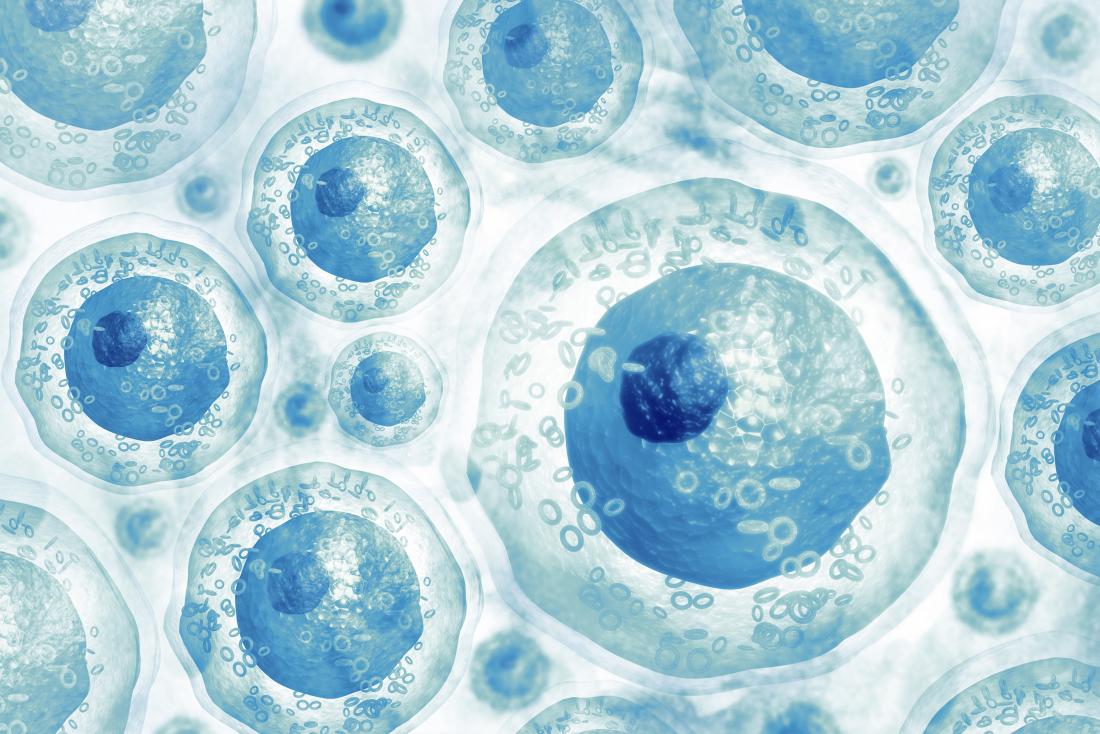
The human body is an intricate biological machine, possessing remarkable, innate abilities to heal and maintain its complex systems. At the very core of these powerful regenerative processes lies a microscopic powerhouse: the stem cell. Over the past few decades, medical science has pivoted toward harnessing these foundational elements to treat previously intractable diseases and severe injuries. Leading healthcare institutions, includingLiv Hospital, remain at the forefront of translating this sophisticated cellular science into tangible, life-saving therapeutic applications. As regenerative medicine continues to evolve at a rapid pace, establishing a precise foundation of knowledge is essential for patients, researchers, and medical practitioners alike.
The Biological Foundation
To grasp the true magnitude of this medical frontier, it is necessary to establish a clearStem Cell Overview and Definition. At their most fundamental level, stem cells are the body’s raw materials. They are the unspecialized progenitor cells from which all other cells with highly specialized functions are generated. Under optimal physiological conditions within the human body, or in meticulously controlled laboratory environments, these entities divide to form new cells known as daughter cells.
These resulting daughter cells are biologically unique because they face two distinct destinies. They can either undergo self-renewal, creating more identical stem cells to maintain the body’s vital cellular reserve, or they can undergo differentiation. Differentiation is the remarkable process of transforming into specialized cells with specific anatomical or physiological functions, such as cardiac muscle cells, intricate neurological cells, or oxygen-carrying red blood cells. No other cell in the human body possesses this innate, natural ability to generate entirely different tissue types from scratch.
Primary Classifications in Medicine
Medical science categorizes these biological units based on their origin and their developmental versatility.
- Embryonic Stem Cells: Derived from early-stage embryos known as blastocysts, these cells are entirely pluripotent. Pluripotency denotes the extraordinary capacity to differentiate into virtually any cell type found in the human body. This immense flexibility makes them a critical focus for researchers aiming to regenerate extensively damaged tissues and failing organs.
- Adult (Somatic) Stem Cells: Found in trace quantities within fully developed tissues—such as the liver, adipose (fat) tissue, and bone marrow—these cells are typically multipotent. Their primary biological role is to maintain and repair the specific tissue in which they reside. Consequently, their differentiation potential is generally restricted to the cellular lineages of their tissue of origin.
- Induced Pluripotent Stem Cells (iPSCs): In a monumental scientific breakthrough, researchers developed the ability to genetically reprogram regular adult cells, reverting them to an embryonic-like, pluripotent state. This incredible innovation offers a vast, highly versatile source for targeted therapies, completely bypassing the ethical complexities traditionally associated with the use of embryonic tissues.
Mechanisms of Healing and Paracrine Action
When applied therapeutically, these cellular structures do not simply serve as passive structural replacements for damaged tissue. Instead, they act as active biological orchestrators. Stem cells release an array of highly specific chemical signals, including essential growth factors, cytokines, and extracellular vesicles. This dynamic phenomenon, known as the paracrine effect, profoundly influences the surrounding cellular microenvironment.
These secreted factors work aggressively to reduce localized inflammation, modulate the immune system to prevent the rejection of newly forming tissue, and inhibit the premature apoptosis (cell death) of healthy native cells. By delivering these therapeutic units directly to a site of injury or disease, medical professionals can significantly amplify the body’s intrinsic healing response. This targeted biological signaling prompts host tissues to repair themselves far more efficiently and robustly than they could independently, fundamentally shifting the medical paradigm from basic symptom management to actual tissue repair.
Advanced Hematological Interventions
The most historically established and universally recognized application of this cellular technology is found within the specialized fields of hematology and oncology. For decades, hematopoietic stem cell transplantation—commonly known as a bone marrow transplant—has served as a vital, life-saving medical intervention. This procedure is particularly critical for patients suffering from severe blood-forming disorders, acquired immune deficiencies, or specific hematological malignancies.
In scenarios involving severe marrow dysfunction or systemic failure, a patient’s diseased or failing bone marrow is intentionally depleted using targeted, high-dose chemotherapy or radiation. Subsequently, it is replaced with healthy, functional hematopoietic stem cells sourced from a compatible donor or the patient’s own previously harvested reserves. Once infused directly into the bloodstream, these specialized cells naturally migrate into the recipient’s bone cavities. There, they successfully engraft and initiate the continuous production of a completely new, healthy supply of red blood cells, white blood cells, and platelets, effectively restoring vital immune function and oxygen transport capabilities to the patient.
Expanding Horizons in Global Healthcare
The horizon of regenerative medicine extends vastly beyond traditional hematological applications. Global research initiatives are aggressively exploring the power of pluripotent and genetically reprogrammed cells to address currently incurable neurodegenerative conditions, such as Parkinson’s disease and amyotrophic lateral sclerosis (ALS), by directly replacing severely damaged neurons. In cardiovascular medicine, rigorous clinical trials are investigating advanced methodologies to regenerate necrotic cardiac tissue following severe myocardial infarctions, aiming to physically restore the heart’s pumping capacity and reverse structural damage.
Furthermore, the burgeoning field of tissue engineering utilizes these foundational cells to construct viable, three-dimensional organ structures in the laboratory. This specific pursuit holds the incredible promise of eventually alleviating the severe global shortage of organs available for vital transplantation. The continuous refinement of these sophisticated cellular technologies ensures that regenerative therapies will remain a dominant, transformative force in global healthcare innovation, offering unprecedented medical solutions for patients facing profound physiological challenges.
About the Author

