
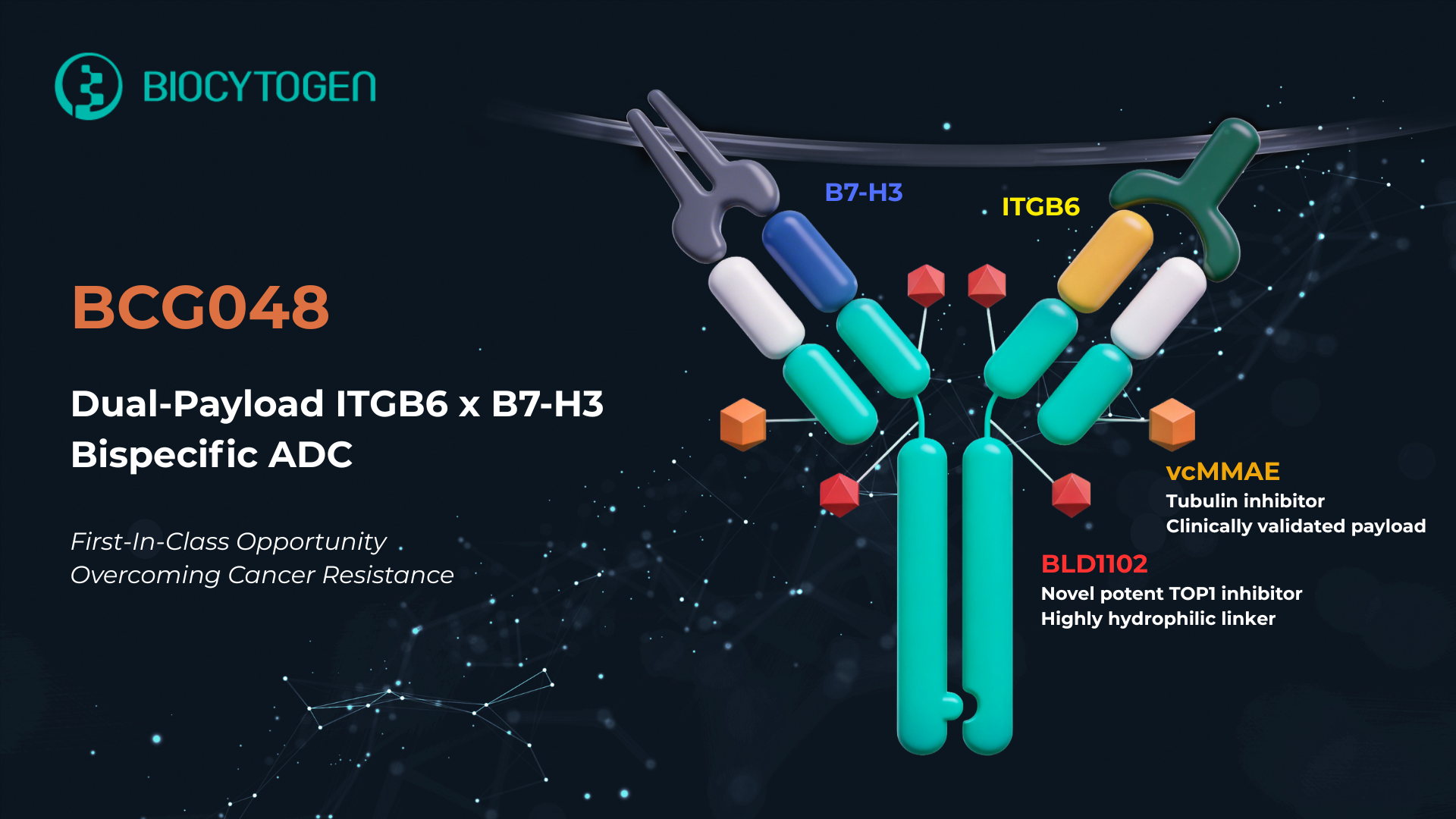
Bispecific and dual-payload ADC programs can fail to progress efficiently when CMC work is treated as a set of separate tasks. Conjugation, analytics, formulation, process characterization and technology transfer are connected. A decision made in one area can quickly create consequences in another. For bispecific ADCs, antibody structure and binding behavior may affect conjugation, stability and aggregation risk. For dual-payload ADCs, payload ratio, payload distribution, linker behavior and analytical resolution become more complex. These programs may require more sophisticated control strategies than conventional ADCs, especially when product heterogeneity must be understood and justified for regulatory purposes. Integrated planning helps teams avoid late redevelopment. When process developers, analytical scientists, formulation teams, QA and CMC specialists work from the same product-quality target, problems can be identified earlier. For example, a conjugation condition that improves DAR may also increase aggregation or complicate purification. Analytical results should therefore inform process changes as development proceeds. A CDMO supporting these programs should provide more than manufacturing capacity. Sponsors should evaluate hands-on experience with advanced ADC formats, ability to characterize product variants, scale-up strategy, formulation screening, process characterization and GMP transfer readiness. Communication across functions is just as important as individual technical strength. Technology transfer should be planned as a knowledge-transfer process, not only a document package. The receiving site needs to understand why process conditions were chosen, which steps are sensitive, how samples should be handled and how results should be interpreted. This knowledge is especially important for complex ADCs where small changes may affect multiple quality attributes. ChemExpress supports bispecific and dual-payload ADC-related development through coordinated process development, analytical characterization, formulation, CMC and GMP manufacturing capabilities. For sponsors, integrated CMC planning can help reduce handoff risk and support more efficient movement from early process work toward clinical manufacturing.
This topic should be positioned around regulatory readiness rather than formal compliance alone. ADC sponsors need to show how process knowledge, analytical methods, quality risk management, documentation and lifecycle control work together. That makes the article relevant to CMC, QA, regulatory and manufacturing teams, not just scientists working on conjugation chemistry.
The guest post can also highlight that ADC quality cannot be managed only through final release testing. Critical attributes such as DAR distribution, free payload, aggregation, potency and stability need to be understood during development. This practical message helps readers connect early CMC planning with later inspection and submission expectations.
About the Author

