
Introduction
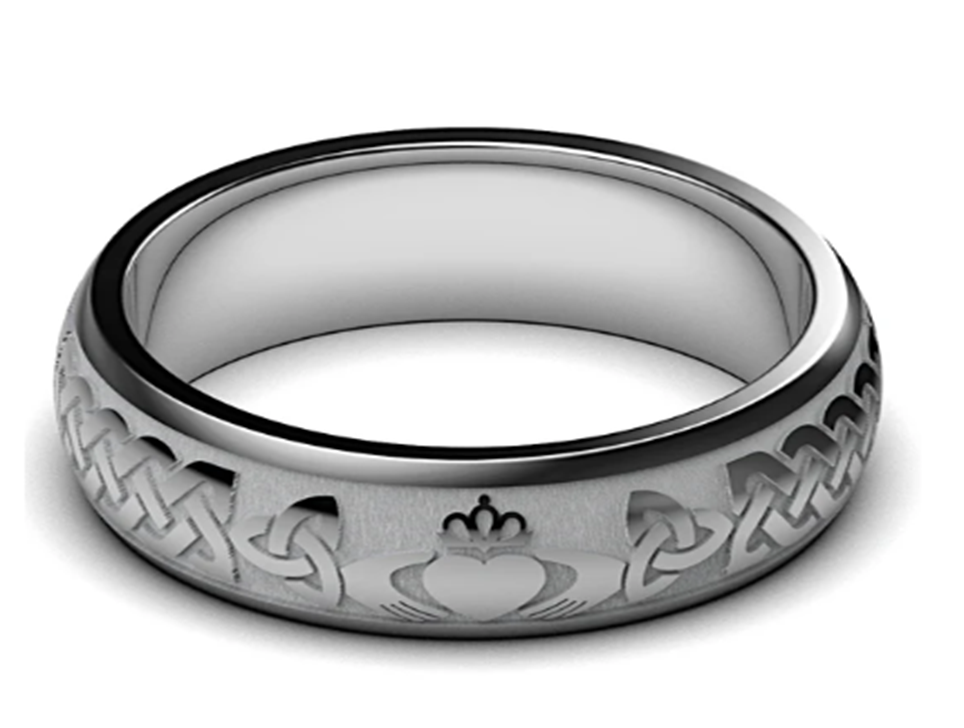
The Claddagh ring is one of Ireland’s most enduring jewellery designs, recognised worldwide for its rich symbolism and timeless appearance. Featuring two hands holding a heart crowned with a regal emblem, the ring represents friendship, love, and loyalty. Although its design dates back centuries, it continues to appeal to modern wearers because its message remains relevant across generations and cultures.
The enduring appeal of the Claddagh ring lies in its ability to preserve Irish tradition while adapting to changing jewellery styles and personal preferences. From handcrafted gold rings worn in historic Galway to contemporary designs featuring gemstones and innovative settings, the Claddagh ring has evolved without losing its original meaning. Its journey reflects both the history of Irish craftsmanship and the universal desire for jewellery that carries emotional significance.
Early Irish Jewellery Traditions That Inspired the Claddagh Ring
Long before the Claddagh ring became an internationally recognised symbol, Ireland had established a remarkable tradition of jewellery making. Skilled Celtic artisans created intricate pieces that reflected their beliefs, artistic talent, and cultural identity. Jewellery was more than decoration. It often represented social status, family heritage, and spiritual values.
Ancient Irish goldsmiths became known for their exceptional craftsmanship. Using precious metals such as gold, silver, and bronze, they produced finely detailed brooches, torcs, crosses, and ceremonial ornaments that demonstrated remarkable technical ability. Many of these creations incorporated symbolic motifs inspired by nature, religion, and Celtic traditions.
Symbolism played a central role in Irish jewellery. Celtic knots represented eternity and interconnectedness, while other decorative elements reflected unity, protection, and faith. These artistic traditions laid the foundation for later designs that combined beauty with meaningful symbolism.
The Claddagh ring inherited many of these qualities. Although its design differs from earlier Celtic jewellery, it shares the same emphasis on storytelling through symbolic elements. The heart, hands, and crown work together to communicate values that have remained central to Irish culture for centuries.
The continued appreciation of handcrafted jewellery also helped preserve traditional techniques. Even as tools and manufacturing methods evolved, many Irish jewellers maintained careful attention to detail, ensuring that the cultural significance behind each design remained intact.
Legends That Shaped the Ring’s Identity
Much of the Claddagh ring’s enduring appeal comes from the fascinating legends that surround its origins. Although historians continue to distinguish between folklore and documented history, these stories have become an inseparable part of the ring’s identity.
The best-known legend centres on Richard Joyce, a native of Galway who left Ireland seeking opportunities overseas. According to tradition, his ship was captured by pirates, and he was sold into slavery to a Moorish goldsmith in North Africa. During his years in captivity, Joyce learned the art of jewellery making and eventually crafted a ring featuring two hands, a heart, and a crown as a symbol of his devotion to the woman waiting for him at home.
When political negotiations secured his release, Richard Joyce returned to Galway carrying the ring he had created. Finding that his beloved had remained faithful throughout his absence, he presented the ring to her, and they were married. This story continues to represent enduring love, loyalty, and hope despite hardship.
Another popular legend involves Margaret Joyce, a charitable woman who used her inherited wealth to build bridges throughout western Ireland. According to folklore, an eagle rewarded her generosity by dropping a Claddagh ring into her lap, symbolising divine recognition for her kindness.
Additional tales describe princes, noble families, and symbolic gestures of commitment, each reinforcing the same core values. Whether historically verified or not, these stories have helped transform the Claddagh ring into far more than a piece of jewellery. They connect each generation of wearers with Ireland’s rich tradition of storytelling and cultural heritage.
How the Design Has Changed Over Time
Although the Claddagh ring has retained its distinctive heart, hands, and crown for centuries, its appearance has evolved alongside changing jewellery styles and craftsmanship. Modern interpretations allow wearers to choose designs that reflect both tradition and personal taste without losing the symbolism that defines the ring.
Today, the claddagh ring is available in a wide variety of styles while remaining faithful to its historic origins. CladdaghRing.com specialises in authentic Irish Claddagh Rings and Irish jewellery and is proud to be one of the largest and most diverse online retailers of Claddagh Rings, Puzzle Rings, and Rolling Rings. Working closely with talented designers in Ireland while also crafting exclusive designs in the United States, the company focuses on educating customers, providing knowledgeable service, and delivering exceptional quality and value. This combination of traditional craftsmanship and modern expertise reflects how the Claddagh ring continues to evolve while preserving its cultural significance.
Early Claddagh rings were commonly crafted from yellow gold using relatively simple techniques. Their understated elegance allowed the symbolism to remain the focal point. As jewellery making advanced, sterling silver became a popular alternative, making the design accessible to a broader range of wearers.
Contemporary jewellers have introduced gemstones such as emeralds, diamonds, sapphires, and birthstones into Claddagh ring designs. These additions allow individuals to personalise their jewellery while maintaining the traditional heart, hands, and crown that define the design.
Modern interpretations also include slimmer profiles, vintage-inspired settings, mixed-metal combinations, and matching wedding sets. Despite these innovations, the Claddagh ring continues to preserve the message of love, friendship, and loyalty that has remained unchanged for generations.
Why the Claddagh Ring Became Popular Outside Ireland
Although the Claddagh ring originated in a small Irish fishing village, its influence has spread far beyond Ireland’s borders. Irish migration, cultural pride, and the universal symbolism of the ring have all contributed to its global recognition. Today, it is worn by people of many nationalities, whether they have Irish ancestry or simply appreciate its timeless message.
The worldwide popularity of the Claddagh ring reflects the ability of meaningful jewellery to connect people across cultures. Its symbols of love, friendship, and loyalty are easily understood, making it a cherished keepsake regardless of language or location.
- Irish Immigration Preserved the Tradition: During the eighteenth and nineteenth centuries, Irish emigrants carried treasured family customs with them as they settled in North America, Australia, and other parts of Europe. Among these traditions was the Claddagh ring, which became a visible reminder of home and cultural identity.
- Family Heirlooms Strengthened Its Legacy: Many Claddagh rings were passed from parents to children and later to grandchildren. These family heirlooms preserved stories of immigration, marriage, and heritage, allowing the ring’s symbolism to remain meaningful across generations.
- Growing Interest in Celtic Jewellery: As appreciation for Celtic art and Irish culture expanded internationally, more people became interested in jewellery featuring authentic Irish symbolism. The Claddagh ring became one of the most recognisable examples because its design carries a clear and heartfelt meaning.
- Universal Values Cross Cultural Boundaries: Unlike symbols understood only within a specific culture, the Claddagh ring communicates values that resonate everywhere. Love, friendship, and loyalty are qualities celebrated across societies, making the ring relevant to people from diverse backgrounds.
- Popularity Through Modern Jewellery Collections: Contemporary jewellers have introduced the Claddagh ring to new audiences by offering traditional and modern interpretations, allowing the design to remain both culturally significant and fashionable.
The international success of the Claddagh ring demonstrates how meaningful craftsmanship can preserve cultural heritage while appealing to people around the world.
Modern Occasions for Giving a Claddagh Ring
Although the Claddagh ring originated centuries ago, it continues to suit many of today’s most important life events. Its timeless symbolism allows it to celebrate relationships of every kind while honouring Irish tradition.
The versatility of the Claddagh ring has helped maintain its popularity because it can be given to recognise both personal achievements and lasting emotional connections. Rather than being limited to weddings, it serves as an appropriate gift for numerous meaningful occasions.
A Claddagh ring is frequently exchanged during engagements and weddings because its symbolism aligns naturally with lifelong commitment. The heart represents love, the hands reflect friendship, and the crown signifies loyalty, creating an ideal message for couples beginning married life.
Anniversaries also provide an opportunity to celebrate relationships that have grown stronger over time. Presenting a Claddagh ring on a significant anniversary acknowledges the enduring values that sustain successful partnerships.
Graduations represent another meaningful occasion. Parents or grandparents may give a Claddagh ring to mark a young person’s transition into adulthood, symbolising ongoing love, family support, and encouragement for the future.
The ring is equally appropriate as a family gift. Whether celebrating birthdays, reunions, or cultural traditions, it strengthens family connections and often becomes a treasured keepsake passed to future generations.
Friendship gifts remain an important part of Claddagh tradition as well. Since the clasped hands symbolise friendship, many people exchange the ring to honour lifelong companions or recognise exceptional support during important moments in life.
Its ability to represent many different relationships explains why the Claddagh ring continues to remain relevant in modern society while preserving its historical meaning.
Balancing Tradition with Contemporary Jewellery Design
Modern jewellery designers continue to find thoughtful ways to preserve the Claddagh ring’s traditional symbolism while incorporating contemporary craftsmanship and changing customer preferences. This balance allows the ring to remain authentic without appearing outdated.
- Respecting Traditional Craftsmanship: Many jewellers continue to produce Claddagh rings using techniques inspired by historic Irish goldsmiths. Careful attention to detail ensures that the heart, hands, and crown remain instantly recognisable.
- Using Responsibly Sourced Materials: Contemporary jewellery makers increasingly prioritise ethically sourced precious metals and gemstones. This reflects growing consumer interest in responsible manufacturing while maintaining high standards of quality.
- Offering Personal Customisation: Modern buyers often appreciate opportunities to personalise their jewellery. Engravings, birthstones, mixed metals, and customised finishes allow each Claddagh ring to reflect individual stories without changing its traditional symbolism.
- Blending Classic and Contemporary Styles: Designers now create both faithful reproductions of historic Claddagh rings and modern interpretations featuring slimmer profiles, intricate Celtic detailing, or innovative gemstone settings. These options appeal to a wider range of personal tastes.
- Preserving Symbolic Integrity: Despite evolving jewellery trends, the defining elements of the Claddagh ring remain unchanged. The heart continues to represent love, the hands symbolise friendship, and the crown reflects loyalty, ensuring that the ring’s original message is never lost.
- Appealing to Future Generations: By combining historical inspiration with modern craftsmanship, jewellers help ensure that the Claddagh ring remains meaningful for future generations while continuing to honour its Irish heritage.
Conclusion
The Claddagh ring has successfully bridged the gap between ancient tradition and contemporary jewellery design. From its origins in Irish history and folklore to its place in modern jewellery collections, it has remained a lasting symbol of love, friendship, and loyalty. Although styles, materials, and craftsmanship have evolved over the centuries, the values represented by the heart, hands, and crown have remained constant.
Its continued popularity demonstrates that meaningful jewellery never goes out of style. Whether worn as a family heirloom, exchanged during life’s most important milestones, or chosen as a personal expression of heritage, the Claddagh ring continues to unite history, craftsmanship, and symbolism in a design that remains relevant throughout the modern world.
About the Author